
The History of Gold Medallion Jewelry: A Journey Through History

unnamed (26)

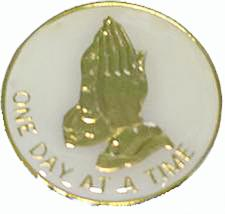
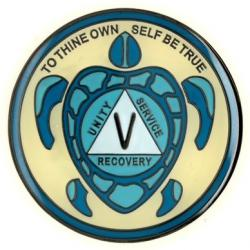
Gold medallion jewelry has captivated wearers for centuries, serving as symbols of faith, achievement, and personal significance. From ancient religious tokens to modern aa jewelry and recovery symbols, these pieces carry meaning and the reminder that recovery is possible.

Today’s 14k gold medallion pieces continue this rich tradition, whether commemorating sobriety milestones, expressing religious devotion, or celebrating personal achievements. Understanding the rich history of gold medallion jewelry deepens appreciation for these pieces.

The Origins and Rich History of Gold Chains

Gold medallion jewelry traces its ancient roots to ancient civilizations where precious metals signified power, divinity, and protection.

Ancient Egyptians crafted elaborate gold chains adorned with amulets and medallions representing gods and sacred symbols. It was thought that these objects offered both protective and decorative qualities, and that they provided protection for the wearer in life and death.

Roman soldiers were honored with gold medallions, paving the way for the beginning of medallions symbolizing accomplishment. These early honors honored valor and service, a tradition honored in modified forms today.

Victorian Era: Symbols of Love and Mourning

The Victorian era transformed gold medallion jewelry into deeply meaningful sentimental treasures of love and loss.

Sentimental jewelry was an art form in the Victorian world. Gold lockets and medallions held pictures, locks of hair or tiny paintings of relatives. These items also kept loved ones close, even when separated by distance or death.

Symbolism became an important focus of the Victorian medallion and this in turn influenced future designs. Today’s custom items, such as engraved alcoholics anonymous rings and custom sobriety dog tags are reminiscent of this tradition of significant personal expression in jewelry.

Sacred Adornment: Religious and Cultural Contexts

Gold medallions have been used for spiritual and cultural significance in various traditions worldwide.

Gold Medallions in Religious Ceremonies

Religious medallions represent faith, protection, and spiritual commitment across many traditions.

Christian Traditions: Believers have been wearing gold medallions of saints, religious events, as well as crosses. Baptismal medals mark the sacrament, and confirmation presents are frequently gold religious medallions. These tokens are eternal reminders of faith and spirituality.

Catholic Heritage: Saint medallions in gold honor patron saints believed to offer protection and intercession. Saint Christopher medals for travelers, Saint Michael for protection, and numerous others address specific needs and devotions.

Jewish Symbolism: Gold charms with the Star of David, Hebrew letter or mezuzah to represent Jewish faith and identity. They are objects that link the wearer to history and religious practice.

Eastern Traditions: In Buddhism and Hinduism god medallions are worn by especially religious members of their temples that have depictions of gods, symbols or mantras inscribed onto the metal. These items aid in spiritual practice and meditation.

Cultural Traditions Around the World

Apart from religion, gold medallions have cultural significance in many cultures worldwide.

African Heritage: Many African cultures use gold medallions and pendants to denote tribal affiliation, social status, or rites of passage.

Asian Customs: In Chinese culture, gold coins or bold medallions depicting zodiac symbols and prosperity characters are considered to ward off evil spirits and therefore make a good-luck charm.

European Nobility: Heraldic medallions in gold displayed family crests and royal connections. This tradition of using medallions to signify achievement and status persists in modern award systems.

Recovery Culture: Over the years, modern recovery cultures have established their own meaningful tradition with sobriety coins. An aa pendant or aa necklace, suitable for everyday wear, serves similar purposes as historical religious medallions, providing daily reminders of commitment and transformation.

A Century of Style: Evolution Through the Decades

unnamed (20)

The 20th century saw gold medallion jewelry evolve alongside changing fashion and social norms.

Early 20th Century Designs

The early 1900s favored ornate, detailed gold medallions reflecting Art Nouveau and Edwardian aesthetics.

Delicate filigree work and nature-inspired motifs characterized this period. Gold medallions featured flowing lines, floral patterns, and feminine designs. Craftsmanship emphasized detail and artistic expression.

Men’s medallions took on simpler, more geometric forms. Gold watch chains with medallion fobs became standard accessories for well-dressed gentlemen.

Mid-Century Trends

Medallion jewelry in the 1940s-60s was shaped by post-war prosperity and evolving social attitudes.

Bold, substantial gold medallions reflected mid-century modern aesthetics. Clean lines and geometric shapes replaced Victorian ornament. The focus shifted toward statement pieces with strong visual impact.

Religious medallions remained popular but in more streamlined designs. Gold crosses and saint medals took on simpler, more contemporary forms appealing to younger generations.

Late 20th Century Innovations

unnamed (21)

The final decades of the 20th century brought diverse influences and democratized gold jewelry.

Personalization became increasingly accessible. Engraving techniques improved, and custom gold medallions could be had at a wide range of price points. From graduations to sobriety anniversaries, people commemorated a wide range of events with personalized pieces.

Recovery jewelry became a niche of its own. Suddenly, things like alcoholics anonymous rings, sobriety dog tag tokens, and 14k gold medallion pieces celebrating recovery milestones were a meaningful way to represent sober living.

Contemporary Craft: Redefining Boundaries with Technique

Modern gold medallion jewelry combines traditional craftsmanship with innovative techniques and materials, often reflecting a sense of luxury.

Advanced Manufacturing: The ability to use CAD and 3D printing has allowed the development of finer detailed medallion designs that were historically not achievable. Such technologies extend the creative, superior quality possibilities.

Mixed Materials: Contemporary pieces often combine gold medallions with other materials such as leather cords, stainless steel chains, or gemstone accents. This versatility creates pieces suitable for various styles and occasions.

Customization Options: Digital engraving and laser etching allow precise personalization. Whether adding deeply personal sobriety dates to an aa necklace or inscribing meaningful quotes on sobriety dog tags, modern technology makes customization more accessible and affordable.

Sustainable Practices: Recycled gold and ethical sourcing respond to consumer demand for responsible jewelry. Many manufacturers now offer eco-conscious gold medallion options.

Inclusive Design: Contemporary aa jewelry serves diverse needs and preferences. From classic 14k gold medallion pieces, which are often seen as status symbols, to modern minimalist designs, recovery jewelry accommodates different styles while maintaining symbolic meaning.

The Enduring Legacy of Gold Jewelry, Gold Necklaces, and Medallion Necklaces

Gold medallion jewelry endures because it fulfills fundamental human needs for meaning, connection, and self-expression.

These articles are not simply about trends, they have personal meaning. Whether it’s a religious medal, a family heirloom, an achievement award or the aa pendant that commemorates recovery milestones, a gold medallion is always more than just stylish jewelry.

The long-lasting nature of gold means these significant pieces will be here for generations to come. A 14k gold medallion handed down from grandparent to grandchild, or representing decades of sobriety, which only grows in value over time.

Conclusion

Gold medallion jewelry has journeyed from ancient talismans to Victorian love tokens of wealth, through religious devotion and cultural expression, evolving into today’s diverse forms including meaningful aa jewelry and recovery symbols.

From alcoholics anonymous rings marking the beginning of a life no longer so easily controlled by alcohol to religious medallions holding special significance, these touches of inspiration become artful reminders and everyday motivational assets. The history of gold medallion jewelry is reminder that the most significant ornamentation is birthed from what we deem important to us and what represents our beliefs and affirmations.

Discover meaningful gold medallion jewelry for your recovery journey

Visit My 12 Step Store to explore our collection of aa jewelry, including 14k gold medallions, aa necklaces, aa pendants, and sobriety dog tags. Find pieces that honor your commitment and celebrate your milestones with jewelry as enduring as your recovery.

Posted in Uncategorized | Leave a comment

Meaningful Sobriety Gifts: Thoughtful Ideas to Celebrate Recovery and Milestones

unnamed (24)

Looking for sobriety gifts for women or sobriety gifts for men? Perhaps you need a special alcoholics anonymous aa gift for someone significant? The right recovery gift can simply show you care and to celebrate the incredible journey of recovery. This guide offers gift options that will make those on their way to staying sober feeling inspired and encouraged.

Introduction

The road to recovery is worth celebrating. A great sobriety gift provides encouragement and allows people to look back at everything they’ve accomplished. They also suggest that staying sober matters. Whether someone is celebrating 30 days, one year, or many years of sobriety, the right gift shows you care.

Types of Sobriety Gifts for Different Milestones

Different stages of recovery need different kinds of support. Understanding what makes good gifts at each stage helps you pick the right one.

One day to three months is early recovery. Inspiration and daily reminders should be your focus at this point. Items like inspirational keychains, recovery coins or daily meditation books can be helpful in the early tough days.

Midterm milestones occur at the 6-month to 1-year mark. Consider journals, workout gear, jewelry or self-care products. They’re building habits of recovery that will last for life.

Long-term sobriety is a year or longer. Mark milestones with personalized gifts, special jewelry or meaningful art. These are gifts that honor the dedication and big changes they’ve made.

Inspirational Sobriety Jewelry and Accessories

unnamed (18)

Jewelry and accessories serve as a reminder of that promise to stay sober, especially when things get tough.

Recovery Coins and Medallions

AA coins and medallions are popular gifts according to how long a person has been sober. These alcoholics anonymous aa gifts mean so much in the world of recovery.

Standard recovery medallions mark important times like 24 hours, 30 days, 60 days, 90 days, 6 months, 9 months, 1 year, and yearly milestones after that. Each coin is a big accomplishment.

Specialty coins are pocket pieces with encouraging words, prayers or symbols of growth. You can bring them with you every day and keep reminding yourself how special you are.

Inspirational Bracelets and Necklaces

Recovery jewelry provides inspiration that offers encouragement in difficult times. An aa necklace is a very sentimental piece of jewelry you can wear anywhere. Necklaces often include recovery messages such as the Serenity Prayer or “One Day at a Time” engraved on them. Sobriety bracelets are another great option, which are usually made from leather or metal. They can be personalized with someone’s sobriety date, inspirational quotes or your own personal sayings.

Birthstone recovery jewelry combines traditional icons with personalized birthstones. This is a great mix of something deep and meaningful but also personal to make it really special as a gift. Semicolon jewelry features the semicolon, which punctuates a sentence that could have ended but didn’t. These pieces connect with anyone overcoming addiction or mental health struggles.

Custom Engraved Items

Personalized gifting turns into a beautiful keepsake that will be kept forever. Engraved keychains are small, but mighty. They have sobriety dates, initials, or some motivational saying you take with you everywhere.

Dog tags use military-style design. They’re stamped with sobriety dates, part of the Serenity Prayer or any saying you choose. Personalized jewelry can have the GPS location of special recovery spots engraved on it. This could include your first meeting, treatment center, or place where big changes happened.

Books and Journals for Recovery

unnamed (19)

Books offer enduring support and inspiration on the road to recovery.

Books That Inspire and Motivate

Classic recovery books like the “Big Book” of Alcoholics Anonymous and “Twelve Steps and Twelve Traditions” belong in every recovery library. These important texts offer wisdom and guidance. There are daily meditation books, like “Daily Reflections” and “Twenty-Four Hours a Day,” that offer inspiration and ideas for reflection. They help you get your day off to a positive start. Mindfulness and wellness books about meditation, emotional health, and overall wellness support recovery practices. They teach you how to manage stress and emotions in healthy ways.

Recovery Journals

Journaling is used to help process feelings, monitor progress, and be accountable. And those are valuable skills to learn for a long-term recovery. Sobriety trackers are recovery journals created for its purpose. They have prompts about triggers, gratitude, and daily wins. Structured recovery journals are composed of essay prompts to be written on a per day or weekly basis. These center around issues of recovery and growth, and can help assist you in getting through hard times. Recovery-themed blank journals have symbols of recovery, or inspirational quotes, or art on the cover. They’re great for jotting down your thoughts each day.

Affirmation and Gratitude Journals

Feelings of gratitude and positive thoughts help heal by changing the way we perceive things. Simple journals and templates encourage writing down three to five things you’re thankful for each day. This practice helps you see the good things in your life. Affirmation cards and books made for recovery help build self-worth and strength. They remind you that you’re worthy of love and capable of staying sober.

Self-Care and Wellness Gifts

Recovery is about healing your mind, body and spirit. Self-care gifts encourage holistic wellness for sobriety.

Relaxation and Stress Relief Gifts

Managing stress without substances requires healthy ways to cope and relax. Essential oils help with aromatherapy and relaxation. Scents like lavender can calm your mind and reduce stress naturally. Meditation cushions and supplies support building meditation habits. Consider cushions, blankets, or guided meditation app subscriptions.

Stress relief tools like fidget toys, stress balls, or adult coloring books give healthy ways to handle anxiety. Bath and body products like nice bath salts, organic soaps, or spa gift sets encourage self-care routines. Taking time for yourself is important in recovery.

Gifts for Mental Health and Wellness

Mental health support is necessary for complete recovery and preventing relapse. Therapy session gift cards help pay for therapy costs. This shows deep support and removes money barriers to mental health care. Gym, yoga studio, or fitness class memberships that encourage physical well-being. Exercise is part of recovery and it causes your brain to release natural feel-good chemicals.

Massages or spa treatments like deep tissue massage, acupuncture, or other spa services help reduce stress. They give your body and mind time to heal. Healthy cooking tools like quality cookware, meal prep containers, or healthy cookbooks support good nutrition. Eating well is an important part of staying healthy in recovery.

Sobriety Gifts for the Home

Home furnishings such as decor accessories are always visible symbols of recovery dedication and principles.

Recovery-Themed Home Decor

Inspirational wall art includes framed prints with the Serenity Prayer, recovery sayings like “One Day at a Time,” or motivational messages. These pieces inspire you every time you see them. Custom name signs are personalized wooden or metal signs with names and sobriety dates. They celebrate the person and their commitment prominently displayed.

Sobriety Reminder Objects

Practical items may also remind individuals to remain in recovery each day. Desk accessories like motivational calendars or paperweights with recovery messages sit on their workspace. They provide encouragement throughout the workday. Custom blankets are cozy throws inscribed with sobriety dates, recovery messages or inspiring quotes.

How to Personalize Your Sobriety Gift

Making personal gifts can turn a good gift into a treasured keepsake with deep meaning. You make the gift especially intimate and special when you include the date someone committed to a life of sobriety. It’s the day their new life began.

One thoughtful, well-chosen gift is better than many generic ones. Shop for thoughtful recovery gifts that are meaningful and will endure for many years.

Conclusion

If you’re looking to find the perfect sobriety gift for your loved one, My 12 Step Store has meaningful recovery gifts. We carry AA medallions, inspirational jewelry, personalized items, and more. Discover sobriety gifts that motivate, inspire and encourage your friends or family members to stay sober and continue fighting for long-lasting sobriety.

Posted in Uncategorized | Leave a comment

AA Chip Colors: What Do They Mean?

unnamed (23)AA chip colors signify the recovery milestones reached by aa members , from 24 hours to multiple years and represent great milestones in anyone’s sobriety journey. The following is important information about what each AA chip color means, including the red, white, black, orange, green, blue, purple, and silver chip colors. All these tokens symbolize the ultimate value of the AA community to its members and as mementos of the struggle to overcome the dependence on alcohol.
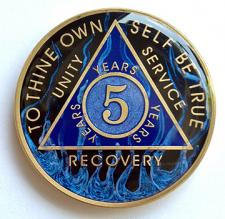
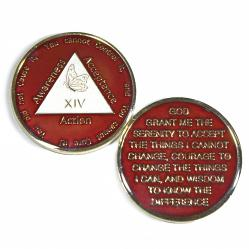

Whether you’re new to AA, supporting a loved one, or looking for meaningful aa medallions and gifts, this guide explains every chip color, its significance, and how these tokens inspire continued sobriety.

AA Chips Color Guide

AA chip colors are standardized sobriety tokens given to members of Alcoholics Anonymous to mark specific periods of continuous sobriety.

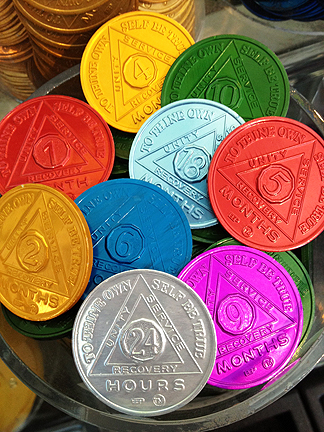
These circular chips, typically made of plastic or metal, come in different colors representing various sobriety milestones. The tokens are given for specific lengths of time, ranging from the first 24 hours to multiple years on the recovery journey.

AA sobriety coins serve multiple purposes in the recovery process. They provide tangible recognition of achievement, creating motivation to reach the next milestone. They offer something physical to hold during moments of temptation, such as sobriety coins serving as a reminder of progress made. Many people carry their chips in an aa chip holder as a daily reminder of their commitment to sobriety.

The History of Alcoholics Anonymous, AA Members, and AA Chips

unnamed (15)

The tradition of AA chips began in the 1940s, though the exact origin remains somewhat debated within AA history.

The practice evolved over the following decades. Different groups and regions developed their own chip systems and color schemes. By the 1970s and 1980s, the color-coded chip system we recognize today became more standardized across AA groups nationwide.

The chips gained popularity because they addressed a fundamental human need for recognition and achievement markers. Recovering alcoholics found that these small tokens provided motivation during difficult moments and celebrated victories that might otherwise go unnoticed by those outside the recovery community.

Today, na chips (Narcotics Anonymous) and other recovery programs have adopted similar systems, recognizing the power of these simple tokens. The tradition continues to evolve while maintaining its core purpose: acknowledging progress and encouraging continued commitment to sobriety.

The AA Chip System and Their Meanings

Understanding what AA chip colors mean helps you recognize the significance of each milestone. Here’s a detailed breakdown of the standard color progression.

The White Chip (or Surrender Chip)

The white chip represents the beginning of the recovery journey and the decision to stop drinking, while the sobriety green chip marks the next significant milestone .

Significance: The white chip, also known as the surrender chip or desire chip, represents 24 hours of sobriety or a willingness to start recovery. It symbolizes surrender to the reality of alcoholism and the willingness to accept help.

When It’s Given: White chips are available to anyone, at any aa meetings, whether it’s their first time coming in or they’re coming off a relapse. There’s no shame in taking several white chips, as each signifies renewed dedication.

What It Represents: The color white represents new beginnings, a blank slate and pure intentions to start recovery. Many people consider it the most important chip because it marks that critical initial step: acknowledging powerlessness over alcohol and making a commitment to seek help.

24-Hour Bronze Chip

The 24-hour chip celebrates the completion of one full day of sobriety.

Significance: This chip recognizes the struggle to get through that first 24 hours without drinking. In early recovery, 24 hours can feel like an eternity for someone attempting sobriety.

Color Variation: The 24-hour chip may be bronze, silver, or sometimes another color depending on the group. Colors vary by region and individual AA groups.

What It Represents: The message is simple but powerful: take recovery one day at a time. This chip reinforces AA’s fundamental principle that sobriety is achieved by focusing on today rather than worrying about forever.

The 24-hour chip reminds members that every person in recovery, regardless of how long they’ve been sober, is only one day sober today.

Red Chip (30 Days/1 Month)

unnamed (16)

The red chip marks one month of continuous sobriety, which is a significant early milestone, while the sobriety purple chip celebrates an even longer commitment .

Significance: Making it to 30 days signifies overcoming the hardest part of early recovery, which can be very tough going. The first month is about adapting to life on the other side of alcohol, navigating physical and emotional withdrawal symptoms, and getting used to new habits.

What It Represents: Red often symbolizes strength, courage, and the life-blood of the program. It takes considerable courage to reach 30 days, as this period typically involves facing the reality of life without the numbing effects of alcohol.

Gold Chip (60 Days/2 Months)

The sobriety gold chip celebrates two months of sobriety.

Significance: In day 60 recovery routines are starting to become routine. And the early sobriety crisis has passed, but each meeting helps build a new foundation.

What It Represents: Gold signifies value and worth. At two months, quite a few people start to notice their worth outside of addiction. They begin rebuilding connections and rekindling interests that have been eclipsed by alcohol.

Green Chip (90 Days/3 Months)

The green chip marks three months of continuous sobriety.

Significance: Ninety days is a critical milestone in recovery. Many treatment programs last 90 days because this period allows for significant behavioral change and habit formation.

What It Represents: Green symbolizes growth, renewal, and new life. At three months, most people experience noticeable positive changes: clearer thinking, better physical health, improving relationships, and growing emotional stability.

Purple Chip (6 Months)

The purple chip celebrates six months of sobriety, while the sobriety dark blue chip is awarded at a later stage .

Significance: The significance of half a year being it is large commitment and progress. By the 6-month mark, recovery is simply your new life, not crisis control.

What It Represents: Purple is the stability of blue merged with the energy of red, representing the equilibrium being restored in recovery. By now, people have gotten through holidays, social events and difficult experiences without drinking.

Blue Chip (9 Months)

The blue chip marks nine months of continuous sobriety.

Significance: Nine months represents three-quarters of a year. This milestone shows sustained commitment and increasingly stable recovery.

What It Represents: Blue symbolizes serenity and peace. By nine months, many people report feeling more peaceful and centered than they have in years. The chaos of active addiction feels increasingly distant.

Bronze/Silver (1 Year)

The one-year chip marks a full year of continuous sobriety, which is another major milestone.

Significance: One year, 12 months, all the seasons, holidays/birthdays/anniversaries, have all been celebrated sober. This achievement deserves a significant celebration.

Color Variation: Different groups may use bronze, silver, or a special medallion for the one-year mark. Some groups present a larger, more elaborate token at one year.

What It Represents: The one-year chip represents a significant year of sobriety, dedication, perseverance, and proof that long-term recovery is achievable. It stands for 365 straight days where you chose not to pick up a drink.

Gold (Multiple Years)

Gold chips mark annual milestones beyond one year.

Significance: Each additional year represents continued growth, deeper recovery, and ongoing commitment to sobriety. Some groups give out chips for each year, while others mark specific milestones (5, 10, 15, 20, 25 years, etc.).

What It Represents: Gold symbolizes the precious nature of long-term sobriety and the wisdom gained through years of recovery work. Long-term sobriety chips inspire newer members by showing that sustained recovery is achievable.

Celebrating Sobriety and Community Support

unnamed (14)

While the color system described above is common, variations exist across different AA groups and regions.

Regional Differences: Some groups have alternate colors, or put different colors for different time frames. For instance, some people use orange, not gold for 60 days, or yellow for 30 days. The color isn’t what matters so much as the acknowledgment of progress.

Group Autonomy: AA is set up so that groups can function independently. That means chip traditions can differ from one meeting to another. Some organizations go for plastic chips, while others prefer metal. Some have elaborate ceremonies, others keep it simple.

NA Chips, including the sobriety pink chip, are used by Narcotics Anonymous, which employs a similar (but different) chip system. Though a majority of the colors are shared, na chips may have different color assignments or milestone intervals.

Personal Meaning: The most important aspect of any chip is its personal meaning to the holder. Whether it’s a white chip for one day or a 20-year gold chip, each is an accomplishment showing actual effort and growth and commitment.

Chip Holders: Many people keep their chips in an aa chip holder, a special case, or a keychain designed to keep chips safe and visible. This allows you to carry chips that serve as daily reminders of the commitment you’ve made to staying sober. Quality chip holders can be found at aa store locations or online at places like My 12 Step Store.

AA Gifts: Chips also serve as meaningful aa gifts for people in recovery. Giving someone their milestone chip, a special chip holder, or other recovery tokens shows support and recognition of their journey.

Conclusion

The colors of AA chips symbolize the important milestones towards recovery, which ranges from the 24 hours essential to take that first step (white chip) to staying sober for several months or years (gold and dark green chips). Each color represents different character traits, and recognizes the courage, effort, and progress made to reach sobriety.

Ready to support your recovery or someone else’s? Browse our selection of AA chips, chip holders, and recovery gifts at My 12 Step Store. Find everything you need to mark milestones and celebrate the courage it takes to maintain sobriety, one day at a time.

Remember that every chip, regardless of color, represents the same fundamental achievement, choosing recovery today. Whether you’re reaching for your first white chip or celebrating decades of sobriety, every sober and clean day is a gift worth recognizing.

Posted in Uncategorized | Leave a comment

What Size Are AA Chips and Medallions?

What Are AA Chips and Medallions?

AA chips and medallions are small, powerful mementos handed out to celebrate milestones and progress in the journey of recovery through Alcoholics Anonymous. They’re not just collectible coins; they’re reminders of resilience, personal victories, and the ongoing promise of hope. When someone first walks into AA meetings, they might receive their first chip—a shining symbol that marks a fresh start and the strength to keep going. Over time, these medallions become treasured items, each carrying a unique story of perseverance and the meaningful connection to the AA groups and fellowship that helped them stay the course. Whether you’re searching for your own milestone piece or one to give as a gift, these tokens mean far more than their size lets on.

History of AA Chips and Medallions

The tradition of giving AA chips stretches back decades, possibly to the 1940s. Like so much of the Alcoholics Anonymous story, there are legends and lively debates about where it all began—some say it started with early AA groups in the Midwest who wanted to honor members as they remained sober for certain periods. Others think the roots go even further, to returning soldiers who found deep meaning in tangible tokens of their victories. Over the years, the exact origin may have faded into the background, but the power these medallions have in marking a sobriety milestone has only grown stronger. Today, these coins have become a global tradition that celebrates every individual’s dedication to recovery.

Standard Sizes of AA Chips and Medallions

Typical Diameter

Almost every AA chip found at meetings or available at my12stepstore.com fits within a familiar frame: most chips and medallions measure roughly 1.34 inches (34mm) to 1.5 inches (38mm) in diameter. This size isn’t random—it’s just right to fit comfortably in the palm, slip into a pocket, or display in an AA chip holder at home. You’ll feel that balance when you turn one over in your hand: substantial enough to feel its presence, but never bulky or awkward.

Thickness and Weight

Beyond just diameter, the thickness of AA medallions matters too. Standard chips usually range between 2mm and 3mm thick. Bronze and commemorative medallions, especially those designed for annual anniversaries, tend to be a bit weightier. That satisfying heft in your palm makes the moment feel all the more real. Lighter aluminum chips are common for newcomers, while anniversary coins and sobriety chips—especially the long-term annual variety—often have a more substantial, almost medal-like presence.

Material and Finish Options

Material gives every AA medallion its own personality. Most common are classic bronze, lightweight aluminum, or vibrant plastic. Each material offers its own tactile experience—bronze feels dignified, while plastic chips have a cheerful lightness. Modern enamel and bling medallions up the ante with sparkling stones, vibrant colors, and even custom text to mark very personal moments. Glossy or matte, smooth or textured, there are options for every story and preference. Special editions, like the sacred heart medallion, feature ornate designs and a premium finish for moments that deserve extra reverence.

Different Types of AA Chips and Medallions

image1

Bronze AA Medallions

Bronze AA medallions are classic keepsakes, especially for significant anniversaries. The weight and rich tone give these coins a sense of permanence—like anchoring your recovery in a tangible way. Many feature raised graphics or inscriptions, with some even including the Serenity Prayer or chips customized for specific years. Those who have remained sober for long periods often treasure these, stacking up a proud collection that tells their ongoing story.

Aluminum & Plastic Chips

When someone first starts their journey, they often receive aluminum or plastic chips. These are ideal for frequent distribution at regular AA meetings, inexpensive yet meaningful. While they’re lighter and often bolder in color, they still symbolize the initial steps, from the 24-hour sobriety chip to the first 30 or 60 day tokens. Their cheerful colors and affordability help aa groups mark every small win with ceremony and enthusiasm.

Enamel & Bling Medallions

There’s a new wave of bling medallions bursting onto the AA scene—complete with shiny enamel, glittering stones, or intricate patterns. These are perfect for individuals who want their achievement to shimmer and stand out, or for those gifting sobriety coins as a heartfelt surprise. They’re also popular for people who collect na medallions, celebrating recovery milestones for every path someone takes.

Symbolism Behind the Size

The size of an AA chip or medallion isn’t just practical—it’s symbolic. The feel of the coin, the weight when it rests in your palm, can be grounding. Each medallion sits in the hand as a reminder that recovery itself isn’t invisible; it’s something real, earned, and held onto. For some, the progression from lightweight aluminum to heavy bronze mirrors the growth and depth achieved through the AA program. The journey, physically represented, helps amplify the sense of achievement at every step.

Why AA Gives Medallions

Giving sobriety chips goes far beyond simple celebration. These tokens are markers of courage and commitment for every individual attending AA meetings. For many, receiving chips marks the beginning of a tradition—one supporting daily choices and celebrating progress both big and small. A chip handed out isn’t just a coin; it builds community, brings a smile, and adds another voice to the chorus affirming, “you are not alone.” In the act of giving, sponsors and peers remind newcomers and old-timers alike of the power each chip (and each day) holds.

Where to Buy AA Chips and Medallions

A huge variety of aa chips, coins, and medallions—including sobriety coins and specialty tokens for na medallions or sacred heart medallion designs—are available at trusted retailers like my12stepstore.com. With free shipping offers, discreet delivery, and a dazzling array of choices, there’s something for every personality and milestone. For groups or individuals, bulk discounts and single purchases make it easy, and specialty items like aa pins or an aa chip holder also ship with minimal fuss.

Displaying and Preserving Your Medallions

Showcasing recovery coins is an act of pride. Special aa chip holders, display frames, or even shadow boxes allow these medallions to become part of the home—visible reminders of how far things have come. Some people keep their aa coins in a pocket as a quiet anchor. Others line them up beside the bed, where that first look in the morning offers encouragement for the day ahead. However they’re preserved, these tiny tokens carry a big story: perseverance, hope, and the joy of sobriety milestones.

Conclusion

No matter where the journey begins, AA chips and medallions become lifelong companions—proof of every struggle overcome and every bright tomorrow pursued. Whether searching for a first chip, a bronze coin marking years of success, or a sparkling enamel medallion, it’s clear these tokens do more than celebrate time; they shine as testaments to personal growth and collective recovery. Shop with reliable sources like my12stepstore.com for authentic, high-quality aa chips, unique commemoratives, and the support that only a caring recovery community can provide—plus the added benefit of free shipping on most orders.

Posted in Uncategorized | Leave a comment

11 Spiritual Principles of Alcoholics Anonymous

The heart of alcoholics anonymous lives not only in the twelve steps but in the values that guide them. These 12 spiritual principles shape the recovery process, offering daily tools for character building, habit change, and steady spiritual growth. For many people in addiction recovery, they support personal growth, protect mental health, and keep choices aligned with core personal values.

Think of these principles as a roadmap. They invite self awareness, invite you to practice integrity, and strengthen trust in a higher power. Applied with consistency, they help members maintain sobriety, deepen faith within the 12 step program, and move toward lasting recovery and, for many, a quiet spiritual awakening.

Below, we explore each principle, how it connects to the 12 step program, and how it helps you maintain progress, sustain hope, and stay close to your higher power.

1. Honesty

Sobriety begins with truth. The first principle is about facing reality and acknowledging alcohol addiction without excuses. It requires honest reflection, clear speech, and openness with others in the recovery community. Honesty helps build self awareness and breaks the cycle of denial that keeps addiction in place.

2. Hope

Hope is the belief that change is possible. It fuels the courage to continue the recovery process when setbacks occur. Hope connects closely to the idea of a higher power, a belief that something greater can restore strength. By practicing hope, members see beyond immediate pain toward the possibility of a lasting recovery.

3. Faith

Faith expands hope into trust. In the 12 step program, faith means trusting a higher power to guide the journey. This step invites individuals to let go of control and lean into support. Faith does not require rigid religious belief, but it does call for openness to the unknown and trust in the process.

4. Courage

Courage is action in the presence of fear. In addiction recovery, it looks like walking into a meeting, telling the truth, and making amends. It also means sitting with hard feelings and choosing healthy boundaries. Courage builds self awareness and helps you practice integrity when it is inconvenient. Paired with the twelve steps and trust in a higher power, it steadies you through the recovery process so you can maintain sobriety one day at a time and keep moving toward personal growth and stronger mental health within the 12 step program.

5. Integrity

To practice integrity is to align actions with personal values. Integrity means showing up the same in private and in public, being consistent, truthful, and reliable. Within the 12 step program, it guides amends, keeps inventories honest, and rebuilds trust with loved ones. Practiced daily, it supports self awareness, steadies the recovery process, and helps you maintain sobriety with clear boundaries and accountability. Living with integrity builds stability, lowers shame, supports mental health, and creates room for personal growth and spiritual growth as you continue working the twelve steps and rely on a higher power.

6. Willingness

Willingness is openness to change and the courage to try new actions. It shows up when you take suggestions, work the aa books, and seek wisdom from al anon books or an na book. In the 12 step program, willingness turns ideas into practice by moving through the twelve steps with guidance, humility, and honesty.

This mindset breaks rigid habits and invites self awareness. In daily life, willingness looks like calling a sponsor, showing up for meetings, and choosing healthy routines even when it feels uncomfortable.

Most of all, willingness keeps the recovery process in motion. It helps you maintain sobriety, strengthen addiction recovery, and maintain momentum when resistance appears. Without willingness, progress stalls. With it, change becomes possible, one choice at a time.

7. Humility

Humility is the opposite of pride. It acknowledges that no one achieves recovery alone. Humility invites guidance from sponsors, literature, and the aa book covers that hold decades of shared wisdom. It strengthens the bond with a higher power and allows continuous spiritual growth.

8. Brotherly Love

This principle highlights compassion and empathy. In practice, it means supporting peers in meetings, helping newcomers, and showing kindness. Brotherly love builds a sense of belonging and strengthens the recovery process. It also reflects the larger idea of service to others, which is central to the 12 step program.

9. Discipline

image2

Recovery is never a single event, it is a way of life that requires steady effort. Discipline gives the recovery process shape by building routines that support healing. It may look like reading from aa books each morning, showing up for meetings, or setting aside time for prayer and meditation. These practices connect you with a higher power and create daily anchors that help you maintain sobriety. With consistent effort, discipline strengthens both mental health and spiritual growth.

10. Perseverance

Setbacks happen. Perseverance ensures that challenges do not derail the journey. This principle means returning to the twelve steps, even when discouraged, and continuing the work of healing. Perseverance strengthens resilience and keeps members focused on personal growth and long-term goals.

11. Service

The final principle is service, the act of giving back. Service ranges from sponsoring newcomers to sharing stories or setting up a meeting room. It reinforces the idea that recovery is not only about personal healing but about lifting others up. In giving back, members experience a spiritual awakening and deepen their own spiritual principles.

Conclusion

Those are not just vague concepts found in the 12 spiritual principles of Alcoholics Anonymous. These regular practices create calm organization. They release you from mental burdens and profoundly invigorate your core being.

Peace, strength, joy, confidence, and happiness are acquired through a life lived with honesty, hope, faith, courage, integrity, willingness, humility, love, service, and perseverance, the ingredients that make up a solid foundation for recovery from addiction.

Following these core ideas helps people stay pointed toward recovery. They also shield emotional health and grow strong beliefs that support a sober life for many years. They begin to bring forth a deeper connection with god / higher power / higher consciousness and a spiritual awakening.

Recovery takes constant work, and sobriety is not a straight line. Following these ideas gives you the power to stay sober and really grow. You’ll build a life that feels genuinely good and worth every moment.

Posted in Uncategorized | Leave a comment

Sobriety Symbols: Exploring The Legacy Of Chips, Medallions & Milestones

Sobriety Symbols: What Do They Stand For? 

A sobriety symbol is a small reminder with big weight. It signals hope, steady progress, and the strength it takes to keep staying sober. From the familiar AA symbol to bright medallions, each piece reflects courage and a choice to live healthier, one day at a time.

For many people, these recovery symbols travel with them on their personal journey. They nudge self awareness, celebrate wins, and mark key moments in addiction recovery. Some see a coin as a trinket. The person holding it knows better. It is a powerful

The History of Sobriety Chips , Medallions & Milestones

The practice of using chips and medallions traces back to the mid-20th century when Alcoholics Anonymous groups began handing out tokens to mark lengths of sobriety. The earliest groups used simple materials such as wood or plastic, but over time the tradition evolved into ornate aa sobriety coins and medallions made of bronze or aluminum.

The purpose was straightforward. A token served as a sobriety symbol that showed time achieved in addiction recovery and motivated individuals through visible reminders of progress. By holding a coin, a member could connect with their recovery community and feel reassured during moments of doubt.

Today, this tradition has expanded into NA medallions, specialty designs, and creative variations that all reinforce the importance of marking milestones in the recovery journey.

Types of Sobriety Chips & Medallions

AA Medallions

The classic AA medallions are deeply tied to the aa symbol and aa triangle, which represent unity, recovery, and service. Each triangle inside a circle serves as a symbol representing the balanced approach to recovery.

NA Medallions

Members of Narcotics Anonymous also use medallions, often with inspirational quotes such as the serenity prayer engraved on them. These tokens encourage inner peace and reflect a collective commitment to staying sober from all forms of substance abuse.

Bling Medallions & Specialty Designs

Modern recovery circles often enjoy medallions with crystals, bright colors, or engraved art. These sobriety gifts act as celebratory tokens and can be displayed in a sobriety chip holder or worn proudly. For many, the infinity symbol is used in designs to emphasize the lifelong nature of the recovery path.

Bronze & Traditional Materials

Traditional sobriety coins remain popular. Bronze tokens reflect durability, weight, and a sense of permanence. These coins often feel grounding during times of early recovery when each day counts.

12-Step Chips

Tokens aligned with the twelve steps often carry engravings of the serenity prayer or reminders of personal growth. They encourage members to embrace the steps as a linear process, yet one that requires patience, resilience, and community support.

Modern Trends in Sobriety Symbols

In recent years, the style of recovery symbols has expanded. Many prefer tokens that match their personality, using vibrant designs or incorporating modern graphics. Others select medallions in colors that reflect milestones, such as silver, gold, or black.

Beyond medallions, apparel such as sobriety hoodies has become a popular way to show pride in one’s personal journey. These symbols remind the wearer daily that staying sober is an act of strength.

The growth of online shops like the alcoholics anonymous store makes it easy to purchase tokens, apparel, and sobriety gifts. This accessibility ensures that members feel supported no matter where they are.

Milestone-Based Medallions: Converting History to Tokens

image2

Milestones are the backbone of sobriety symbols. From the first 24 hours to decades of addiction recovery, each chip or medallion shows a tangible marker of progress.

Milestone-based medallions not only celebrate time but also serve as motivational tools. Holding a one-year coin may remind a member of their recovery journey and spark gratitude for their recovery community. Similarly, the five-year or ten-year medallions become family heirlooms in their own way, showing resilience across time.

The Role of Community in Sobriety Symbolism

The significance of medallions is inseparable from the recovery community. These items are not simply personal tokens but also gifts given in group settings. When someone receives a chip during an AA meeting, the moment becomes communal. The token then acts as a symbol representing both individual achievement and the support of peers.

The aa triangle reinforces this balance. Unity ensures members never walk alone, recovery keeps the focus on health, and service reminds each person to give back. Together, these concepts form a foundation of personal growth and mental health.

Sobriety symbols thrive because they link the individual to something larger than themselves. They represent connection, tradition, and collective healing.

How to Choose or Gift Sobriety Medallions

image1

Selecting the right medallion often depends on the milestone, design preferences, and personal values. Some may choose the classic AA medallion with the serenity prayer, while others prefer colorful specialty designs.

For gifting, consider what the recipient values most. If they like tradition, a bronze coin may be ideal. For someone who enjoys expression, a specialty medallion with an infinity symbol or bright accents may inspire joy. Many also pair tokens with sobriety gifts, such as sobriety hoodies or books.

When giving, remember that the token is not only a gift but a powerful symbol of respect, encouragement, and admiration for someone’s personal growth.

Final Remarks

Sobriety symbols carry real meaning in addiction recovery . They mark what has been earned, steady the mind with self awareness , and point toward a fulfilling life . From a simple bronze chip to an ornate medallion, each piece reflects strength, courage, and resilience.

This old custom lasts because it really pulls people together. Tokens link members to the recovery community , celebrate milestones, and invite inner peace . A one day chip and a twenty year medallion share the same message. The meaning runs deep.

When you choose or gift a medallion, you honor the work it takes to keep staying sober . In that moment, these recovery symbols do more than mark time. From them, we understand that hope isn’t just a fantasy; change can happen, and a healthy, focused future is ours to claim.

Posted in Uncategorized | Leave a comment

7 Key Recovery Journey Milestones You Should Celebrate

Why Celebrating Recovery Milestones Matters

Marking milestones in recovery transforms abstract progress into tangible victories. Whether you’ve completed residential treatment at leading treatment centers, graduated from day treatment programs, or simply walked into your tenth NA meeting, pausing to honor each step strengthens resolve. These celebrations—sharing an NA chip, gifting sobriety gifts, or engraving an AA jewelry token—reinforce a supportive environment, remind you of how far you’ve come, and reignite your dedication to sobriety. In the wake of a dual diagnosis or navigating mental health issues, these acknowledgments become lifelines—proof that every small win builds unlimited potential, resilience, and confidence for the road ahead.

7 Key Milestones to Celebrate in Your Recovery Journey

1. Admitting You Need Help

In step one, you admit powerlessness over addiction—often the hardest milestone to recognize. Walking through the doors of treatment centers or sitting down for your first therapy session marks a pivotal shift from denial to acceptance. This courageous confession sets the stage for real change, opening you to professional support, peer accountability, and the tools you need to heal. Whether you enter a residential treatment program or begin outpatient counseling, this moment deserves celebration. Commemorate your bravery with a meaningful token—such as an NA pendant or elegant aa jewelry—to remind you daily of the strength it took to reach this first milestone in recovery.

2. Completing Detox or Your First Treatment Program

Detox and traditional hospital environment stays test your strength and resolve. Exiting a residential treatment program or completing a medical detox under skilled treatment providers merits recognition—a reminder that you faced physical and emotional withdrawal head-on. Consider a gathering with loved ones or a gift of sobriety gifts for him to mark the milestone.

image2

3. Attending Your First Recovery Meeting

Walking into your first NA or AA meeting can feel like stepping off a cliff. Yet you did it. That leap of faith connects you to a solution focused, supportive environment built on shared experience. Commemorate this with a journal entry, noting emotions and hopes, or invest in a cherished copy of an NA book to anchor your ongoing learning.

4. Reaching 30 Days Sober

The first month is notoriously tough—your brain and body relearn balance. Achieving 30 days sober shows that early recovery strategies work. Mark it with a special meal that follows your food plan, perhaps featuring recovery-friendly treats, or wear a gratitude hat at your next group to spread joy through your story.

5. Making Amends or Repairing a Key Relationship

Step 9 of the 12 Steps challenges you to make direct amends to those you’ve harmed—an act of accountability that can heal old wounds and rebuild trust. Whether it’s an honest apology to a family member, a former employer, or a close friend, this step demonstrates profound emotional growth and commitment to integrity. Preparing for these conversations often involves guidance from sponsors or therapists, ensuring your approach is sincere and considerate. Celebrate this milestone by writing a heartfelt letter and tucking it into your recovery journal, or marking the date on a custom aa chip holder as a permanent reminder of your dedication to righting past wrongs. This tangible keepsake underscores that repair and restoration are powerful steps on your journey.

6. Hitting 6 Months to 1 Year of Sobriety

Half-year or annual sobriety anniversaries reflect sustained commitment. By now, you’ve likely weathered triggers, stressors, and moments of doubt. Commemorate six months with a small gathering or a spiritual books that deepens your conscious contact. For the one-year mark, consider a more elaborate celebration—a retreat or a commemorative piece of al anon books if your family supported you.

7. Giving Back by Helping Others in Recovery

True recovery blossoms when you share your experience. Sponsoring newcomers, volunteering at meetings, or offering informal support completes the circle of healing. Acknowledge this milestone by joining a milestones alumni group or pairing up with a friend for a joint celebration—recognizing that your journey now fuels others’.

Keep Moving Forward: Recovery Is a Lifelong Journey

Recovery never stops at one anniversary. Each day brings new challenges and opportunities to grow, whether you’re navigating dual diagnosis, reinforcing supportive environment, or exploring solution focused strategies. Viewing sobriety as a continuum—not a destination—encourages you to set fresh goals, from attending a new milestones program alumni event to volunteering at treatment centers. Embrace ongoing learning through workshops on mental health issues and peer-led groups, and remind yourself that every moment of persistence strengthens your foundation for lasting wellness.

Tips for Staying Consistent in Recovery

Build a Daily Self-Care Routine 

Incorporate mindfulness, exercise, and nutrition into a food plan that supports physical and emotional well-being.

Lean on Your Support System Regularly

Maintain connections with sponsors, therapists, and peers from treatment centers.

Track Your Sobriety Milestones Visually

Use charts, apps, or a milestones program calendar to see your progress each day.

Make Each Milestone Meaningful to You 

Choose Celebrations That Reflect Your Values

Whether it’s a solo hike or a small party, let your celebrations resonate with what matters most.

Write Letters to Your Future Self

Capture your feelings at each milestone, then revisit these letters when you need inspiration.

Keep a Recovery Journal or Milestone Scrapbook

Collect memos, photos of narcotics anonymous rings, and ticket stubs from sober excursions to chart your transformation.

Conclusion

Celebrating milestones in recovery isn’t indulgent—it’s essential. From admitting you need help to giving back, each milestone embodies resilience, personal growth, and the power of fellowship. Honor your journey with meaningful tokens—engraved NA chips, delicate AA jewelry, or a gathering of friends complete with sobriety gifts for him—to commemorate progress and build momentum. Whether you reflect in a journal or host a small ceremony, these rituals reinforce your achievements and strengthen your commitment. Your recovery story is uniquely yours, and each celebrated step fuels the courage and clarity to embrace tomorrow with hope and purpose.

Posted in Uncategorized | Leave a comment

How The Circle And Triangle Symbol Represent The Journey To Recovery

Introduction to the Circle and Triangle Symbol

In Alcoholics Anonymous, the circle and triangle symbol stands as an iconic emblem of the recovery journey. The circle symbolizes unity, wholeness, and serenity, reflecting the fellowship’s commitment to mutual support through twelve step programs. Nested within that circle enclosing is the equilateral triangle, each side representing a core pillar: recovery, unity, and service—the very foundation of the Alcoholics Anonymous world services philosophy. First adopted in the 1940s, this alcoholics anonymous symbol quickly became shorthand for “working the steps”: the outer circle embodying the holistic path of ongoing fellowship and the inner triangle illustrating the three‐part structure of program principles. Together, they form a perfect union—a visual reminder that sobriety arises when these elements work in concert. You’ll find it embossed on sobriety chips, displayed in meeting rooms, and worn as pendants or AA pins, underscoring that true healing encompasses mind, body, and spirit—and offers unlimited potential for lifelong transformation.

Understanding the Triangle: Three Key Principles

The triangle symbol in NA and AA encapsulates the twelve step programs into three guiding tenets that sustain recovery. First, the equilateral triangle represents spiritual surrender—the willingness to admit powerlessness and trust in a Higher Power. This act of surrender parallels Step 3, where members “turn their will and lives over.” Second, the triangle stands for fellowship, emphasizing the importance of community and shared experience in conquering addiction’s isolation. It reflects the support systems forged in meetings and through na literature. Third, the triangle signifies service, encouraging members to “carry the message” by helping newcomers, sponsoring peers, or contributing in meeting roles. This three part disease framework reminds us that recovery isn’t purely individual; it thrives when each point—spiritual, social, and altruistic—supports the others. Whenever you see the triangle symbol, remember that lasting sobriety requires a balanced integration of personal transformation, communal strength, and compassionate outreach.

The Circle: Symbol of Wholeness and Lifelong Growth

Encircling the triangle inside is the circle, a timeless emblem of unity and the unlimited potential that recovery unlocks. In 12-step iconography, the circle symbolizes serenity, embodying the calm center you cultivate even amid life’s most turbulent moments. Its unbroken curve reflects continuity and resilience—an ever-present reminder that sobriety isn’t a single achievement but a sobriety circle of daily recommitment. Ancient traditions held the circle in high esteem, antiquity regarded it as representing eternity and the natural cycles of renewal. Within the alcoholics anonymous symbol, this gentle ring reassures members that personal transformation and spiritual awakening continue indefinitely. Each time you glance at the circle, you affirm your place in a supportive fellowship and embrace the promise that growth, healing, and more answers await at every turn of the recovery journey.

The Combined Symbol: Balance and Harmony in Recovery

When the circle enclosing the equilateral triangle melds into a single emblem, it embodies the perfect union of self-reflection, fellowship, and service. This integrated triangle symbol shows that genuine healing arises only when personal growth, community support, and spiritual practice move in concert. Picture it as a three-legged stool—if any leg weakens, the entire structure wobbles. By staying active in meetings, supporting newcomers, and cultivating conscious contact through prayer or meditation, members fortify each side of the triangle and preserve the circle’s serenity. You’ll see this powerful image engraved on sobriety chips, displayed on meeting-room walls, and worn proudly on AA pins—constant visual cues that sustainable recovery demands equal attention to mind, body, and spirit. Embracing this balanced approach ensures that every effort you make ripples outward, strengthening your own journey and lifting the entire Alcoholics Anonymous community.

image1

Spiritual and Emotional Interpretations of the Symbol

Beyond its structural blueprint, the triangle inside the circle invites profound reflection on both the spiritual and emotional dimensions of recovery. Spiritually, the circle can embody “God as we understood Him,” a protective ring of grace that surrounds and uplifts our highest aspirations. Within that sacred boundary, the triangle symbol—or equilateral triangle—becomes a map for the mind, body, and spirit, reminding us that true sobriety flows from holistic well-being. Emotionally, the sobriety circle offers a haven of acceptance: its unbroken form represents unconditional group support, a place where members can acknowledge and heal all these defects without fear of judgment. Meditating on this alcoholics anonymous symbol in quiet moments—or carrying a token like an AA pin—helps individuals anchor into serenity, balance their inner world, and translate spiritual insights into purposeful action. By contemplating how the triangle stands for recovery, unity, and service within the nurturing embrace of the circle, newcomers foster both conscious contact with a Higher Power and a durable sense of self-compassion that sustains life-long growth.

Circle and Triangle in Everyday Recovery Practice

Visualizing the Symbol in Tough Moments

During cravings or stress, picturing the triangle symbol secured by its sobriety circle can center thoughts. Mentally tracing the shape helps recall the three pillars—recovery, unity, service—while feeling held by the larger fellowship.

Using the Symbol in Journaling or Meditation

Many write or draw the circle and triangle before reflection, using it as a focal point for a fearless moral inventory or moments of doubt. Meditating on its geometry fosters mind circular focus, soothing agitation and reinforcing unlimited potential.

Reinforcing the 12 Steps Through Symbolism

Members often pair each numbered step with a point on the triangle—for example, Steps 1–3 at one corner, Steps 4–6 at another, and 7–9 at the third—then envision Step 10–12 as the circle uniting their practice, illustrating how each action aligns within the broader recovery framework.

Representing the Symbol Visually and Personally

Why Many Choose to Wear the Symbol

Wearing an AA pin or pendant featuring the circle and triangle offers a discreet yet constant token of one’s commitment. It’s both a personal talisman and an invitation to fellowship when spotted by others.

Turning It into a Daily Reminder of Progress

Some craft phone wallpapers or desk plaques with the emblem. Each glance at the symbol can spark gratitude for milestones earned and renew dedication to carrying the message to newcomers.

Symbol Use Across Recovery Programs

Alcoholics Anonymous (AA)

In Alcoholics Anonymous, the circle and triangle symbol first emerged in the late 1940s as a concise, memorable emblem of the fellowship’s core values. The equilateral triangle inside the circle provided members with an immediate reminder of the program’s threefold path—recovery, unity, and service—all held within the wider circle of mutual support and spiritual connection. Over time, this iconic design became inseparable from AA’s identity, appearing on meeting hall banners, sobriety chips, and AA literature. Today, AA newcomers instantly recognize the emblem as a beacon of hope, a testament to the group’s rich history, and a promise that no one walks the journey alone.

Narcotics Anonymous (NA)

In Narcotics Anonymous, the triangle and circle symbol takes on a personalized twist—many NA chapters embellish the design with a ring of smaller, sobriety chips–like circles encircling the inner triangle. This chain of interlocking circles underscores the strength found in collective support, reminding members that recovery from drug addiction thrives on shared experience and mutual accountability. Each small circle represents an individual’s journey, woven together around the central pillars of recovery, unity, and service. Displayed on NA meeting literature, pendants, and promotional materials, this layered symbol affirms that no addict stands alone: every path to sobriety is strengthened by the unity of the fellowship.

Al-Anon and Other 12-Step Groups

In family-centered fellowships such as Al-Anon and Nar-Anon, the triangle within the circle takes on a caring nuance: the outer circle symbolizes the protective network of loved ones, while the inner triangle still stands for unity, recovery, and service, now directed toward supporting the family member in need. This adaptation highlights the “perfect union” between compassionate outreach and personal well-being for those affected by another’s addiction. Seen on meeting materials, sobriety chips, and literature, this emblem reminds participants that healing requires both self-care and collective strength—encouraging relatives and friends to maintain their own serenity even as they offer steadfast support.

Common Misunderstandings About the Symbol

Many newcomers misinterpret the circle as a barrier or view the triangle symbol as representing only a select few. In reality, the circle enclosing the equilateral triangle is profoundly inclusive—its unbroken line extends an open invitation to all seeking serenity, while its three sides reflect the diverse journeys of recovery, unity, and service. Far from isolating, this emblem underscores that there is no single “correct” path: whether you’re engaging in addiction treatment, deepening your spiritual awakening, or practicing direct amends, each point on the triangle supports a shared commitment to lifelong growth. By appreciating this perfect union, members learn that the triangle inside the sobriety circle harmonizes individual stories into a collective journey toward wholeness.

Keeping It Visible for Motivation and Hope

Positioning the circle and triangle symbol in your daily environment—whether on a vision board, calendar, or alongside your sobriety chips—transforms it into a constant source of encouragement. This simple emblem, a fusion of the sobriety circle and triangle symbol, serves as a visual cue that more answers lie within the fellowship and your own inner resources. Every glance at this reminder can spark resilience during moments of doubt, reinforce your commitment to the twelve step programs, and reassure you that, no matter how isolating temptation may feel, community and purpose surround you. By making the symbol a fixture in your recovery space, you invite ongoing inspiration and hope into your journey.

Conclusion

The enduring power of the circle and triangle symbol lies in its elegant simplicity: the sobriety circle embodies unbroken fellowship and emotional refuge, while the triangle symbol captures the three essential pillars of spiritual surrender, unity, and service. Together, they form a visual roadmap for lifelong recovery—one that continues to resonate whether you see it engraved on an AA chip holder, gifted as sobriety gifts, or carried in your pocket during moments of temptation. This immutable emblem reminds us that true healing unfolds at the intersection of personal accountability, compassionate community, and faith in something greater than ourselves. As you carry this symbol forward—displaying it on na chips, wearing it as a pendant, or reflecting on it in meditation—you reinforce the promise of balance and the unlimited potential awaiting every step on the path to sobriety.

Posted in Uncategorized | Leave a comment

The 12 Steps of NA for Beginners: Your Guide to Success

Narcotics Anonymous (NA) provides a structured, time-tested framework for breaking free from substance dependence and maintaining long-term sobriety. Originating alongside Alcoholics Anonymous world services, NA’s twelve step programs combine NA literature, group fellowship, and spiritual awakening to foster lasting change. As you progress through Steps 1–12—each emphasizing self‐reflection, searching and fearless moral inventory, and conscious contact with a Higher Power—you become part of a global community rooted in honesty, humility, and service. Many members find it helpful to keep reminders of their commitment on hand, such as an NA 12 Step Book, narcotics anonymous pendant, or discreet recovery rings from our recovery store. If you’re stepping into recovery for the first time or rekindling your journey after a setback, this guide will help you navigate the steps and access the resources you need to thrive.

Step-by-Step Breakdown for Beginners

The 12 Steps of NA unfold in a deliberate sequence that balances personal inventory with the strength of group fellowship and ongoing conscious contact. Each step builds on the last, guiding you from the crucial admission of powerlessness through to the lifelong commitment of “carrying the message.” Early steps focus on surrender—Step 1’s admission of addiction and Step 2’s invitation to open-minded faith—while mid-program steps, such as the fearless moral inventory of Step 4 and the sharing of that inventory in Step 5, cultivate honesty and accountability. Steps 6 and 7 prepare you for character change, and Steps 8 and 9 call you to make direct amends to those you’ve harmed. The final stages—active reflection in Step 10, deepening of spiritual practice in Step 11, and service to others in Step 12—ensure your recovery journey transforms both your own life and the lives of fellow members. By working each step in community, you reinforce your resilience and embrace the promise of sustained spiritual awakening.

Step 1: Admitting Powerlessness

In Step 1, you admit you’re powerless over drugs and acknowledge that life has become unmanageable. This courageous act of surrender breaks through the walls of denial, allowing you to recognize addiction’s grip on every area—from relationships to work. By honestly stating your limitations, you lay the groundwork for genuine change and open yourself to the support of NA and a Higher Power. This admission isn’t a sign of weakness but a vital step toward freedom, reminding you that recovery begins the moment you accept you cannot conquer addiction alone.

Step 2: Finding Hope in a Higher Power

In Step 2, you recognize that a power greater than yourself can restore you to sanity and guide your recovery. Whether that power is a spiritual force or the collective wisdom of Alcoholics Anonymous world services, embracing faith brings renewed hope. This step invites you to let go of the illusion of total self-reliance and open yourself to conscious contact—through prayer, meditation, or sharing in NA meetings. As you cultivate this relationship, you begin to experience a spiritual awakening, discovering inner resources and community support that light a clear path beyond addiction’s darkness.

Step 3: Turning Over Control

In Step 3, you make the conscious decision to turn your will and life over to your Higher Power’s care. This deliberate act of surrender dismantles the self-centered habits that fueled your addiction, fostering the humility necessary for growth. By relinquishing control, you acknowledge that alone you cannot manage life’s challenges—you invite guidance that can restore us to sanity and support lasting change. This step also teaches you to trust the process of addiction treatment, allowing you to focus on today’s choices rather than yesterday’s regrets or tomorrow’s worries. As you practice daily surrender, you gain freedom from compulsive behaviors and open the door to genuine spiritual progress.

 Step 4: Taking a Personal Inventory

Step 4 invites you to conduct a searching and fearless moral inventory, examining your resentments, fears, and the patterns that have undermined your well-being. In this personal inventory, you honestly identify all these defects—from past resentments toward such people to behavior that contradicts your values. By pinpointing the exact nature of your shortcomings, you lay the groundwork for genuine change. This introspection, a hallmark of twelve step programs, helps you acknowledge wrongs and prepare for the healing work ahead.

image2

Step 5: Sharing Your Inventory

In Step 5, you courageously admit to your Higher Power, yourself, and “another human being” the exact nature of your wrongs. This honest confession transforms your personal inventory from private burden to shared truth, dissolving shame and reinforcing accountability. Speaking aloud your resentments, fears, and missteps in NA meetings or with a trusted sponsor fosters humility and builds connection. By practicing wrong promptly admitted, you learn to own your actions rather than dodge responsibility. This vulnerable exchange not only deepens your recovery roots but also demonstrates how living these principles in all our affairs strengthens both your sobriety and your relationships.

Step 6: Becoming Ready for Change

In Step 6, you practice complete willingness—opening your heart and mind so your Higher Power can remove all these defects of character. This readiness requires honest self‐reflection and a commitment to spiritual awakening, acknowledging that old patterns no longer serve you. Cultivating this openness involves prayer, meditation, or simply sharing in NA meetings, where others’ experiences reinforce your own desire for growth. As you let go of resistance, you invite humility and flexibility, essential qualities for the ongoing journey. Embracing Step 6 means trusting that transformation is possible and that your higher power will guide you toward a healthier, more authentic life.

Step 7: Asking for Help to Remove Defects

In step 7, you humbly ask your Higher Power to remove “all these defects” of character that undermine your recovery. By voicing this request in prayer or meditation, you demonstrate genuine faith in spiritual guidance—and your own commitment to growth. This active surrender replaces self-reliance with trust, showing that letting go of pride and fear is essential for lasting change.

Step 8: Listing Those You’ve Harmed

In step 8, you compile a thorough list of such people—family, friends, and strangers—whom your addiction or behavior has hurt. This inventory goes beyond simple regret; it illuminates the real-world impact of your actions. By acknowledging every offense, you prepare yourself for meaningful direct amends, ensuring your efforts to make right are sincere and well-informed.

Step 9: Making Amends

In step 9, armed with your list, you reach out to make direct amends to such people wherever possible—except when doing so would harm them or others. This demands courage, as you must risk vulnerability to restore broken bonds. By offering genuine apologies and reparations, you begin to restore us to sanity, rebuilding trust and demonstrating your resolve to live with integrity.

Step 10: Ongoing Personal Inventory

In step 10, you commit to a daily searching and fearless moral review, promptly admitting when you’re wrong. Recovery isn’t static, and these continual check-ins guard against slipping back into old patterns. By practicing wrong promptly admitted, you keep your character progress on track and your relationships honest.

Step 11: Improving Your Spiritual Connection

In step 11, you deepen conscious contact with your Higher Power through consistent prayer and meditation. Focus your requests on understanding that Power’s will for you, and ask for the power to carry it out. This daily spiritual exercise cultivates serenity, fortifies your purpose, and keeps you aligned with the values that support your recovery.

Step 12: Carrying the Message

Having experienced a spiritual awakening as the result of these steps, you are called to carry the message to fellow addicts and practice these principles in all our affairs. By sharing your journey—whether sponsoring a newcomer, chairing a meeting, or offering a listening ear—you reinforce your own recovery and give hope to those still struggling. Engaging in service work, from setting up group rooms to organizing outreach events, deepens your commitment and embeds the NA tradition of mutual support. In living Step 12, you not only uphold the fellowship’s promise but also ensure that the gift of recovery continues to flow through every act of compassion and responsibility.

Conclusion: Your Journey Starts with One Step

Working the 12 Steps of NA transforms lives by fostering humility, accountability, and spiritual awakening. As you progress from admitting powerlessness to carrying the message, you’ll discover renewed purpose and mental freedom. Many find that pairing these steps with addiction treatment and mental health services—including resources from the Mental Health Services Administration—enhances their success. Embrace each step fully, lean on your NA community, and explore recovery tools from our recovery store like the aa 12 step book, narcotics anonymous pendant, and narcotics anonymous rings as reminders of your commitment. Your guide to success starts now—take that first step today.

Posted in Uncategorized | Leave a comment

What Are The Levels Of AA Medallions?

What Are AA Medallions?

In the world of Alcoholics Anonymous, tokens of progress hold deep meaning. Known as AA medallions, AA chips, or sobriety chips, these small items carry weight far beyond their size. Each one is a physical reminder of the effort, honesty, and perseverance it takes to remain on the path of recovery. They are not given casually. Every sobriety coin must be earned, and receiving one reflects a significant step forward in the sobriety journey and the broader recovery journey.

At My 12 Step Store, the importance of these symbols is celebrated with a wide selection. You will find everything from classic AA medallions to elegant keepsakes like 14 karat gold medallions for marking a significant milestone. Some choose an AA necklace to wear their achievement as a daily reminder of strength. Others keep their tokens safe in an AA medallion holder, a way to protect and cherish the history of their journey.

These medallions are more than just markers of time. They embody resilience, gratitude, and the unity found within AA meetings. They remind each person that they are part of a fellowship that values progress, supports growth, and recognizes every victory along the way.

What Do AA Medallions Symbolize

Medallions have been part of Alcoholics Anonymous AA culture for decades. They serve as physical reminders of progress, discipline, and community. In AA groups, members share their experiences, and when someone achieves a significant milestone, they may receive one of these tokens. The medallion reminds them that change is possible and that others have walked this same path.

The act of giving sobriety chips during AA meetings is also symbolic. It celebrates progress and connects individuals to the larger AA culture. Whether someone receives a sobriety bronze chip after early success or a sobriety gold chip marking years of dedication, these items inspire strength and serve as anchors in the recovery process.

How the AA Medallion System Works

Purpose of Sobriety Milestones

The AA chip system helps mark sobriety milestones. By presenting physical tokens of progress, AA groups reinforce accountability. These moments keep individuals motivated in the recovery journey while celebrating growth and personal growth. Even the smallest achievement, such as one day of sobriety, can be life changing, and the AA chip system work ensures every step is recognized.

The Meaning of Colors and Designs

Each AA medallion has a purpose, with specific colors tied to important sobriety milestones. These colors are not chosen randomly. They reflect progress, renewal, and the courage it takes to stay committed to the recovery journey. For example, the sobriety dark blue chip often marks the very beginning, a symbol of fresh commitment and the willingness to take the first step. For many, this chip represents hope and the promise that change is possible one day at a time.

At six months, recipients may receive a sobriety green chip, a token that often signifies growth, stability, and endurance through half a year of challenges. The sobriety pink chip is another cherished symbol, often given to inspire reflection and gratitude during ongoing progress. Tokens such as the sobriety purple chip, sobriety bronze chip, or sobriety copper chip also carry their own unique place within the AA chip system, each one marking a stage in the continuing sobriety journey.

Reaching later milestones often comes with tokens of even deeper significance. The silver chip is frequently viewed as a mark of consistency, while the sobriety gold chip is regarded as a crown jewel, representing long-term perseverance, resilience, and dedication to sobriety. These higher-level tokens highlight how the AA chip system work reinforces both accountability and community support.

The designs themselves also matter. Some AA coins feature inscriptions, symbols, or mottos from Alcoholics Anonymous AA that serve as daily reminders of perseverance. Others use raised lettering or artistic detail to make the medallion feel more personal. When presented in AA meetings, these tokens do more than measure time. They embody accountability, shared strength within AA groups, and the unshakable reminder that every achievement in the recovery process deserves recognition.

AA Medallion Levels by Time Milestone

image2

24-Hour and Newcomer Chips

The first token often given is the 24-hour chip. This sobriety coin recognizes the very first step of the sobriety journey. In AA culture, it represents willingness to begin, humility to accept help, and courage to take the first step.

30-Day, 60-Day, and 90-Day Chips

The early stages of recovery are some of the hardest. AA sobriety chips mark these crucial first months, reinforcing consistency. Whether someone receives a sobriety bronze chip at 30 days or a silver chip at 90 days, the message is clear: progress matters. These tokens show that perseverance during the early months of sobriety builds a foundation for long-term success.

6-Month and 9-Month Medallions

At six months, recipients may receive a sobriety green chip. At nine months, a sobriety copper chip is given, recognizing strength and the steady continuation of the recovery journey. These tokens celebrate endurance through temptation and reinforce accountability within AA groups.

1-Year AA Medallion and Beyond (Multiple-Year Chips)

The one-year mark is a significant milestone celebrated with a sobriety gold chip. In many AA meetings, this token is accompanied by cheers, hugs, and encouragement from fellow members. As the years continue, recipients may earn multiple-year AA coins or even custom medallions like 14 karat gold medallions to commemorate their progress. The tradition of giving sobriety chips ensures that every year of commitment is recognized, making long-term sobriety feel both rewarding and supported.

Spiritual and Emotional Significance

Motivation and Accountability in Recovery

The tokens of Alcoholics Anonymous AA are more than markers of time. They build accountability. By celebrating sobriety milestones, members stay motivated to keep progressing. Each sobriety purple chip or silver chip strengthens the will to move forward, reminding the person that they are never alone in this recovery process.

Receiving an AA medallion during AA meetings also connects the recipient to community. For many, these moments spark a spiritual awakening and highlight the connection between sobriety and personal growth.

Celebrating Progress One Day at a Time

The medallion system highlights that sobriety is not about perfection but persistence. Celebrating each day, each chip, and each sobriety milestone reinforces the principle of “one day at a time.” These traditions extend across AA groups and even into Narcotics Anonymous, where similar tokens are presented. The AA chip system has influenced multiple recovery programs, creating consistency and structure in the way people mark progress in addiction treatment.

Final Thoughts

The Levels Of AA Medallions offer more than recognition; they represent strength, accountability, and connection. From the first sobriety dark blue chip to a shining sobriety gold chip, each token marks a significant milestone in the sobriety journey. Tokens like the sobriety purple chip, sobriety bronze chip, silver chip, and sobriety copper chip show that progress deserves to be celebrated at every stage.

At My 12 Step Store, you will find a wide variety of AA medallions, from traditional designs to elegant 14 karat gold medallions. Whether you are looking for a gift, an AA necklace, or an AA medallion holder, our AA store provides meaningful ways to celebrate sobriety and support the recovery journey.

Every chip, coin, and medallion symbolizes courage and perseverance. They remind us that each step in the recovery process is worth honoring. In the end, the AA chip system work is not only about marking time but about building community, fostering personal growth, and offering hope to anyone walking the path of Alcoholics Anonymous AA.

Posted in Uncategorized | Leave a comment