

Gold medallion jewelry has captivated wearers for centuries, serving as symbols of faith, achievement, and personal significance. From ancient religious tokens to modern aa jewelry and recovery symbols, these pieces carry meaning and the reminder that recovery is possible.
Today’s 14k gold medallion pieces continue this rich tradition, whether commemorating sobriety milestones, expressing religious devotion, or celebrating personal achievements. Understanding the rich history of gold medallion jewelry deepens appreciation for these pieces.
The Origins and Rich History of Gold Chains
Gold medallion jewelry traces its ancient roots to ancient civilizations where precious metals signified power, divinity, and protection.
Ancient Egyptians crafted elaborate gold chains adorned with amulets and medallions representing gods and sacred symbols. It was thought that these objects offered both protective and decorative qualities, and that they provided protection for the wearer in life and death.
Roman soldiers were honored with gold medallions, paving the way for the beginning of medallions symbolizing accomplishment. These early honors honored valor and service, a tradition honored in modified forms today.
Victorian Era: Symbols of Love and Mourning
The Victorian era transformed gold medallion jewelry into deeply meaningful sentimental treasures of love and loss.
Sentimental jewelry was an art form in the Victorian world. Gold lockets and medallions held pictures, locks of hair or tiny paintings of relatives. These items also kept loved ones close, even when separated by distance or death.
Symbolism became an important focus of the Victorian medallion and this in turn influenced future designs. Today’s custom items, such as engraved alcoholics anonymous rings and custom sobriety dog tags are reminiscent of this tradition of significant personal expression in jewelry.
Sacred Adornment: Religious and Cultural Contexts
Gold medallions have been used for spiritual and cultural significance in various traditions worldwide.
Gold Medallions in Religious Ceremonies
Religious medallions represent faith, protection, and spiritual commitment across many traditions.
Christian Traditions: Believers have been wearing gold medallions of saints, religious events, as well as crosses. Baptismal medals mark the sacrament, and confirmation presents are frequently gold religious medallions. These tokens are eternal reminders of faith and spirituality.
Catholic Heritage: Saint medallions in gold honor patron saints believed to offer protection and intercession. Saint Christopher medals for travelers, Saint Michael for protection, and numerous others address specific needs and devotions.
Jewish Symbolism: Gold charms with the Star of David, Hebrew letter or mezuzah to represent Jewish faith and identity. They are objects that link the wearer to history and religious practice.
Eastern Traditions: In Buddhism and Hinduism god medallions are worn by especially religious members of their temples that have depictions of gods, symbols or mantras inscribed onto the metal. These items aid in spiritual practice and meditation.
Cultural Traditions Around the World
Apart from religion, gold medallions have cultural significance in many cultures worldwide.
African Heritage: Many African cultures use gold medallions and pendants to denote tribal affiliation, social status, or rites of passage.
Asian Customs: In Chinese culture, gold coins or bold medallions depicting zodiac symbols and prosperity characters are considered to ward off evil spirits and therefore make a good-luck charm.
European Nobility: Heraldic medallions in gold displayed family crests and royal connections. This tradition of using medallions to signify achievement and status persists in modern award systems.
Recovery Culture: Over the years, modern recovery cultures have established their own meaningful tradition with sobriety coins. An aa pendant or aa necklace, suitable for everyday wear, serves similar purposes as historical religious medallions, providing daily reminders of commitment and transformation.
A Century of Style: Evolution Through the Decades
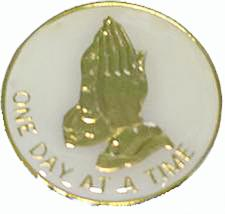
The 20th century saw gold medallion jewelry evolve alongside changing fashion and social norms.
Early 20th Century Designs
The early 1900s favored ornate, detailed gold medallions reflecting Art Nouveau and Edwardian aesthetics.
Delicate filigree work and nature-inspired motifs characterized this period. Gold medallions featured flowing lines, floral patterns, and feminine designs. Craftsmanship emphasized detail and artistic expression.
Men’s medallions took on simpler, more geometric forms. Gold watch chains with medallion fobs became standard accessories for well-dressed gentlemen.
Mid-Century Trends
Medallion jewelry in the 1940s-60s was shaped by post-war prosperity and evolving social attitudes.
Bold, substantial gold medallions reflected mid-century modern aesthetics. Clean lines and geometric shapes replaced Victorian ornament. The focus shifted toward statement pieces with strong visual impact.
Religious medallions remained popular but in more streamlined designs. Gold crosses and saint medals took on simpler, more contemporary forms appealing to younger generations.
Late 20th Century Innovations

The final decades of the 20th century brought diverse influences and democratized gold jewelry.
Personalization became increasingly accessible. Engraving techniques improved, and custom gold medallions could be had at a wide range of price points. From graduations to sobriety anniversaries, people commemorated a wide range of events with personalized pieces.
Recovery jewelry became a niche of its own. Suddenly, things like alcoholics anonymous rings, sobriety dog tag tokens, and 14k gold medallion pieces celebrating recovery milestones were a meaningful way to represent sober living.
Contemporary Craft: Redefining Boundaries with Technique
Modern gold medallion jewelry combines traditional craftsmanship with innovative techniques and materials, often reflecting a sense of luxury.
Advanced Manufacturing: The ability to use CAD and 3D printing has allowed the development of finer detailed medallion designs that were historically not achievable. Such technologies extend the creative, superior quality possibilities.
Mixed Materials: Contemporary pieces often combine gold medallions with other materials such as leather cords, stainless steel chains, or gemstone accents. This versatility creates pieces suitable for various styles and occasions.
Customization Options: Digital engraving and laser etching allow precise personalization. Whether adding deeply personal sobriety dates to an aa necklace or inscribing meaningful quotes on sobriety dog tags, modern technology makes customization more accessible and affordable.
Sustainable Practices: Recycled gold and ethical sourcing respond to consumer demand for responsible jewelry. Many manufacturers now offer eco-conscious gold medallion options.
Inclusive Design: Contemporary aa jewelry serves diverse needs and preferences. From classic 14k gold medallion pieces, which are often seen as status symbols, to modern minimalist designs, recovery jewelry accommodates different styles while maintaining symbolic meaning.
The Enduring Legacy of Gold Jewelry, Gold Necklaces, and Medallion Necklaces
Gold medallion jewelry endures because it fulfills fundamental human needs for meaning, connection, and self-expression.
These articles are not simply about trends, they have personal meaning. Whether it’s a religious medal, a family heirloom, an achievement award or the aa pendant that commemorates recovery milestones, a gold medallion is always more than just stylish jewelry.
The long-lasting nature of gold means these significant pieces will be here for generations to come. A 14k gold medallion handed down from grandparent to grandchild, or representing decades of sobriety, which only grows in value over time.
Conclusion
Gold medallion jewelry has journeyed from ancient talismans to Victorian love tokens of wealth, through religious devotion and cultural expression, evolving into today’s diverse forms including meaningful aa jewelry and recovery symbols.
From alcoholics anonymous rings marking the beginning of a life no longer so easily controlled by alcohol to religious medallions holding special significance, these touches of inspiration become artful reminders and everyday motivational assets. The history of gold medallion jewelry is reminder that the most significant ornamentation is birthed from what we deem important to us and what represents our beliefs and affirmations.
Discover meaningful gold medallion jewelry for your recovery journey
Visit My 12 Step Store to explore our collection of aa jewelry, including 14k gold medallions, aa necklaces, aa pendants, and sobriety dog tags. Find pieces that honor your commitment and celebrate your milestones with jewelry as enduring as your recovery.