
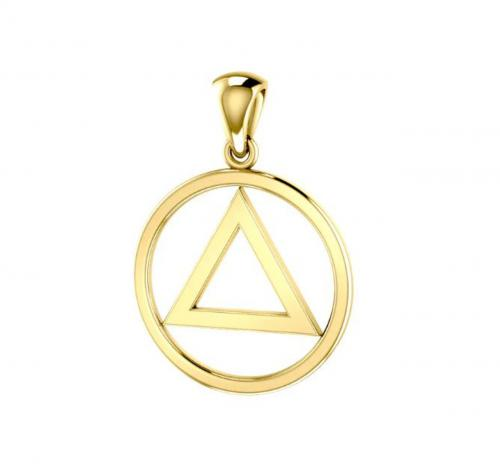
Walk into many aa meetings and you will notice small, familiar cues. A coffee pot. A circle of chairs. A few well worn books. Sometimes you will also see the aa symbol, the classic circle and triangle symbol on chips, wall art, or jewelry.
People ask one main question: what is the aa symbol supposed to mean? For many aa members, it is not about branding. It is a reminder that recovery stays possible, even after a long stretch of feeling stuck.
How we built this guide: we pulled key facts from AA history resources, reviewed AA guidance on symbol use, and added practical examples drawn from common meeting life.
Alcoholics Anonymous is a peer led fellowship. Members share experience, strength, and hope while working the twelve steps. The goal is personal recovery from alcohol addiction, supported by mutual support and daily action.
AA is also global. aa world services estimates an AA presence in about 180 nations, with membership estimated at over two million and more than 123,000 groups. AA literature has been translated into over 100 languages.
Understanding Alcoholics Anonymous
A Brief History of Alcoholics Anonymous
AA began in 1935 in Akron, Ohio, after a meeting between Bill W. and Dr. Bob. Many AA histories point to June 10, 1935 as a key date tied to AA’s beginnings.
In 1939, AA published Alcoholics Anonymous, often called the Big Book. As the fellowship grew, members created shared practices for meetings, sponsorship, and service.
One well known Big Book line captures the tone of mutual help: “Rarely have we seen a person fail who has thoroughly followed our path.” (Alcoholics Anonymous, 4th ed.)
The Birth and History of the AA Symbol
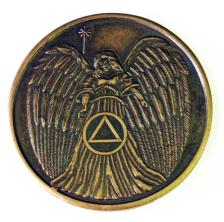
The alcoholics anonymous symbol most people recognize is a circle enclosing an equilateral triangle, often called the circle and triangle. It showed up early in AA’s history because it fit on medallions and meeting materials and it carried meaning without a lot of words.
The Origins of the AA Symbol
In AA history writing, the circle and triangle became tied to AA’s Three Legacies. AA Comes of Age describes the meaning this way: the circle stands for the whole world of AA, and the triangle stands for AA’s Three Legacies of Recovery, Unity, and Service.
That simple framework, recovery unity and service, gave people something to hold onto when they felt scattered. It also helped groups explain what AA tries to protect, not as rules, but as priorities.
The Evolution of the AA Logo
Over time, AA’s approach to trademarks became more formal. AA World Services has said it phased out its own “official” use of the circle and triangle symbol on or in connection with its literature and services. AA also continues to oppose unauthorized use of registered marks such as “A.A.” and “Alcoholics Anonymous.”
People sometimes refer to the letters “A.A.” as an official aa mark because AA protects that wording even when the old symbol shows up less often.
What Does the AA Symbol Mean?
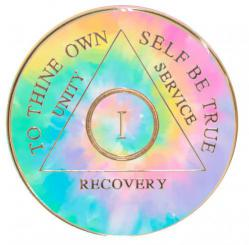
If you want a quick answer, the aa symbol points to balance. It connects a person’s internal work to community life and outward service.
The Significance of the AA Logo
A symbol works when it brings you back to center. In today’s society, it is easy to drift. The symbol can act like a pause button. It asks, what do I need to do today to stay sober?
The Meaning Behind the Circle
In AA’s own history language, the circle stands for the whole world of AA.Many people also say the circle represents aa as the larger community that surrounds and supports personal recovery.
The Triangle’s Significance
The triangle symbolizes the Three Legacies. Each side points to something equally important: recovery, unity, and service.
Here is the practical takeaway. If you work the steps but isolate, you lose strength. If you show up socially but skip the work, you stay restless. If you serve without caring for your own spiritual health, you burn out.
Spiritual and Practical Meaning of the AA Symbol
AA does not require a specific religion. Many members describe a higher power as they understand it. The symbol supports that approach by emphasizing action. You keep showing up. You keep practicing honesty. You keep leaning into help.
That is the heart of the recovery journey: daily choices that add up to a new life.
How the AA Symbol Is Used Today
The AA Symbol in Meetings and Literature
You might see the symbol on meeting signs, anniversary coins, or older displays. Some groups use it for decoration. Some avoid it and keep the focus on the aa message.
Most modern AA publications focus on the words, not the logo. You will still hear references to conference approved literature, especially when groups talk about staying grounded in the basics.
How the AA Symbol Represents Recovery
The symbol often shows up at sobriety anniversaries because it pairs well with sobriety milestones. A chip at 30 days. A coin at one year. A medallion for a big anniversary. Those items do not create recovery, but they can remind you to protect it.
If you like a physical reminder, you can browse my 12 step store for aa sobriety coins, 12 step chips, and alcoholics anonymous recovery jewelry like an alcoholics anonymous pendant. Some members also use an alcoholics anonymous medallion holder to carry a favorite chip. If you want something you can wear daily, there are also alcoholics anonymous apparel options.
Friends and family sometimes shop across programs, too. For example, someone in NA might prefer narcotics anonymous rings. The best item is the one that feels personal and respectful.
If you want a book to keep the program close between meetings, look for alcoholics anonymous books for sale. For gift level keepsakes, you may even see 14k gold jewelry for sale, but simple often works best.
The AA Symbol: More Than an Emblem
The circle and triangle lasts because it points back to lived experience, not theory. People get sober together. They learn personal responsibility. They practice service. They rebuild trust. They rediscover life.
AA’s growth also shows what consistent community support can do. AA World Services describes how the fellowship spread across the whole world through meetings, literature, and world service efforts.
If you ever feel shaky, treat the symbol as a prompt. Ask yourself which side of the triangle needs attention today. Recovery, unity, or service.
Frequently Asked Questions
What are the 12 Principles of AA?
People often use “12 principles” as a shorthand for spiritual themes connected to the Twelve Steps. You may hear themes like honesty, hope, faith, courage, integrity, willingness, humility, love, discipline, patience, awareness, and service.
AA’s official framework centers on the Twelve Steps, Twelve Traditions, and Twelve Concepts. Groups may describe principles in different ways, so use them as guidance, not as a test.
Do I have to be religious to join AA?
No. AA is spiritual, not a church. Members come from many faith backgrounds, and some come in with none. AA often uses the idea of a higher power “as we understood Him,” which leaves room for personal beliefs.
How can Bright Paths Recovery support me with AA?
AA can be strong long term support, especially after detox or residential care. Bright Paths Recovery lists services such as medical detox, residential treatment, and aftercare planning, along with support for mental health concerns.
A treatment team can help you build an aftercare plan that includes aa meetings, relapse prevention skills, and a routine you can keep.