

If you have ever Googled what is a functioning alcoholic, you are probably noticing a confusing gap between appearance and reality. Someone can show up to work, keep commitments, and still have a growing relationship with alcohol that feels harder to control.
“High-functioning” is not a medical label, but the concerns behind it are real. The DSM-5-TR describes alcohol use disorder as a problematic alcohol use pattern that leads to impairment or distress, measured by symptoms over a 12-month period. NIAAA also describes alcohol use disorder as an impaired ability to stop or control alcohol use despite negative consequence
This article walks through seven common warning signs people miss when a functional alcoholic can still “keep it together” in professional life, while stress, shame, or routine drinking quietly expands in the background.
How we built this guide
We based the signs below on DSM-5-TR criteria and public health definitions from the national institute on alcohol abuse, plus national statistics from the disease control agency. We also included a research-backed note on “functional” subtypes to explain why some people appear stable while still meeting clinical thresholds.
What Does It Mean to Be a High-Functioning Alcoholic?
People use terms like high functioning alcoholics, functioning alcoholic, functional alcoholic, or high functioning alcoholism to describe someone who seems fine on the surface, yet relies on drinking more than they admit. This can look like a normal life from the outside, while the inside feels like constant negotiation: when to drink, how much to drink, and how to hide the impact.
A person can function effectively for a long time while still dealing with alcohol addiction, alcohol abuse, or alcohol dependence. It often starts with drinking habits that feel “manageable,” then turns into a pattern that affects sleep, mood, focus, and relationships. Over time, that pattern can bring serious consequences, even if no one at work notices yet.
One reason this slips by: research using national survey data identified a “functional” subtype of alcohol dependence that can include steady employment and fewer outward disruptions, despite heavy use.
1. Using Alcohol as a Coping Mechanism
This is one of the most common starts. A drink becomes a coping mechanism after a stressful day. Then it becomes a default coping strategy for anxiety, loneliness, grief, pressure, or psychological distress.
When alcohol is your primary tool for calming down, you may notice ripple effects in mental health issues and mental health problems, even if you have never dealt with them before. If you feel irritable without a drink, or you keep thinking about your next one, that is a meaningful shift in daily functioning.
2. Developing a High Tolerance to Alcohol
A growing tolerance to alcohol often looks like “I can handle more than most people.” You need more drinks to feel the same effects, or you stop feeling much at all.
This is where functional tolerance becomes dangerous. The outside looks steady, but your body is working harder. Higher intake increases physical health risks, including long-term strain on organs and higher likelihood of accidents or risky choices.
3. Noticeable Personality Changes When Drinking
This is the sign many family members mention first. Someone becomes more argumentative, impulsive, withdrawn, or emotionally flat after drinking. Others swing the other way and become louder, more reckless, or unusually confident.
These shifts can create real tension in personal life, even when the person wakes up and acts like nothing happened. Over time, repeated changes can harm trust, deepen inner turmoil, and leave other family members walking on eggshells.
4. Declining Academic or Work Performance
A high-functioning pattern often protects appearances, not results. You still show up, but you do less. You procrastinate more. You forget details. You rely on adrenaline to finish tasks.
In professional life, this can look like missed deadlines, short temper in meetings, more absences, or “bare minimum” output. Alcohol also affects sleep quality and recovery, which can make focus and patience harder day after day. Even small performance slides can become severe consequences later if the pattern continues.
5. Experiencing Blackouts or Memory Gaps
Memory gaps are a big red flag. If you struggle to recall parts of the night, even while you were awake and active, take it seriously. That is not “normal drinking.”
Blackouts often show up alongside drinking heavily or binge drinking. NIAAA defines binge drinking as a pattern that typically corresponds to 5 drinks for men or 4 drinks for women in about two hours. If you are seeing memory gaps, it is a strong reason to talk with a medical professional.
6. Neglecting Personal or Professional Responsibilities
This does not always start as a disaster. It often starts as quiet avoidance. You stop going to the gym. You skip appointments. You forget calls. You let small tasks pile up.
Over time, alcohol starts shaping your schedule. You plan around it. You protect it. You build your week to make room for it. That is where an alcohol problem often becomes a deeper drinking problem, because life begins to shrink around the next drink. The cost is not always obvious at first, but it can lead to health complications, relationship strain, and growing anxiety about keeping everything together.
7. Withdrawing or Isolating from Others
Isolation is a common tell. You avoid events where you cannot drink the way you want. You pull back from friends who might notice changes. You prefer settings where heavy drinking is normalized.
Sometimes cultural norms make this feel “fine.” Work happy hours, weekend routines, and social circles can blur the line between casual and problematic alcohol behavior. But withdrawal still matters, because it removes accountability and reduces support. It can also increase risk for mental disorders and deepen reliance on alcohol in daily life.
Conclusion
If you recognize yourself in these key signs, you do not need to wait for a crisis. Early intervention is not about labels. It is about protecting your health, relationships, and future choices.
A few options that can help, without forcing you into an all-or-nothing mindset:
Start with a conversation
Talk with a medical professional if you notice tolerance, memory gaps, or trouble controlling alcohol consumption. Screening for alcohol use disorder is common, and help can match your situation.
Use support that fits your style
Many people do well with support groups, including smart recovery and other community options. If you want help finding treatment programs or professional treatment, SAMHSA’s National Helpline is free, confidential, and available 24/7. If you want deeper, personalized guidance, a licensed addiction therapist or family therapist can help you map triggers, rebuild routines, and reduce shame.
Know the stakes, without spiraling
Public health data can be sobering. The CDC reports about 178,000 deaths each year in the U.S. from excessive drinking. That does not mean your situation will follow the worst-case path, but it does mean this is worth taking seriously.
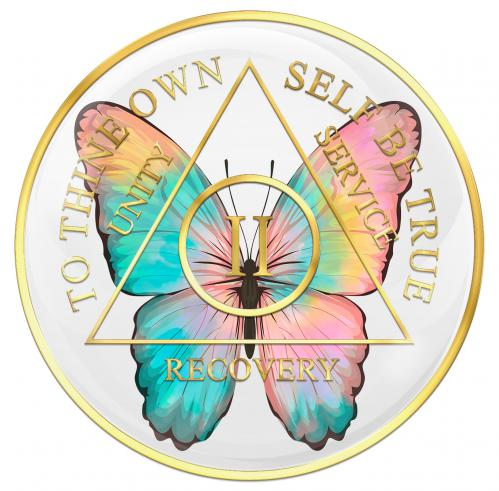
If you are already connected to a recovery path, small reminders can support consistency. Many people use alcoholics anonymous supplies, 12 step chips, 12 step coins, an aa coin holder, aa apparel, 12 step recovery greeting cards, and na medallions to mark progress and stay grounded in community.