
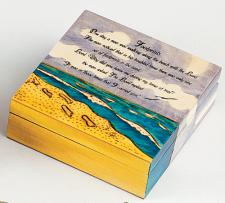
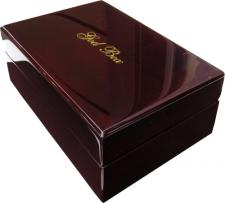
A prayer box is a small box you use to write down prayer requests, worries, and hopes, then place them inside for safe keeping. In 12-step circles, you may also hear it called a god box.
The habit is simple. You slow down, write one clear thought on paper, pray, and let it rest. Later, you return to reflect and notice answered prayers you might have missed.
Understanding What a Prayer Box Is
If you are searching “what is a prayer box,” think of it as a simple tool for prayer and reflection. It helps you store prayers, keep inspirational messages close, and support spiritual growth without needing a long routine.
We built this guide by reviewing how prayer boxes are used in recovery spaces and pairing that with research on writing-based coping tools. One review notes expressive writing has been tested in “more than 400 studies.”
The History and Origins of Wooden Prayer Request Boxes
Churches have used prayer request boxes for years. In a field study of rural churches, the researcher described “a smart locked wooden box labelled ‘For your prayers’” placed with notepaper and a pen for visitors.
In recovery culture, the god box is a practical way to turn worries over. My 12 Step Store notes that some people open their boxes later “to see which prayers were answered.”
Common Uses for a Prayer Box
Most people use a prayer box in three ways.
First, to capture requests for a loved one, health, work, relationships, or sobriety.
Second, to put worry somewhere outside your head. Prayer and anxiety research suggests the relationship can vary by prayer type and expectation, so honest notes matter.
Third, to keep gratitude in view, not just problems.
What to Place Inside a Prayer Box

Use plain paper or decorative paper if it helps you stay consistent.
Common items include:
- Short prayer requests (one per note)
- Names of people you want to pray for
- Prayer cards
- A verse that centers you
- Gratitude notes
- A dated note for an answered prayer
If you keep a prayer journal, use the journal for longer entries and the box for quick notes.
How to Use a Prayer Box Effectively
A prayer box works best when you use it as a steady spiritual practice. Pick a rhythm you can keep.
For Personal Devotion
Place the box where you will use it. When a concern hits, write one sentence and pray in plain language.
Review the box once a week. Keep the notes that still matter. Move resolved notes to an “answered” stack.
Example: before a hard conversation, write what you fear, ask for guidance, then place it in the box.
For Family Prayer Practices
Keep slips and markers nearby. Let children decorate the box.
At dinner or bedtime, invite each person to add one request or one gratitude note. Keep it short.
For Specific Intentions or Needs
When life feels loud, narrow your focus. Try a “top three” rule: keep only three active notes in the box at a time.
If writing ramps you up, switch to shorter notes. Research shows responses to expressive writing can vary by person and approach.
For Church and Congregational Use
A church prayer box often sits near a welcome table with paper and a pen. Groups may also offer prayer cards to drop in during the week.
Post a brief note about privacy and how requests are handled.
The Benefits of Using a Prayer Box
Strengthening Spiritual Connection
Using a prayer box gives your faith a steady place to land. When you write what’s heavy, fold it up, and place it inside your god box, you turn worry into a simple spiritual practice. You stop replaying the same thoughts and start showing up to pray with more honesty. Over time, that rhythm builds spiritual growth, because you can look back, notice patterns, and feel the quiet reminder that you are not carrying everything alone.
Finding Emotional Relief and Comfort
A box gives worry a place to land. Prayer is also multidimensional, with different prayer styles relating to anxiety in different directions.
Fostering Focus and Intention
Writing a request slows your mind and helps prayer feel more intentional. A box turns scattered thoughts into a short list, which supports follow-through.
Encouraging Gratitude and Reflection
Weekly review helps you spot patterns and recognize answered prayers.
Conclusion: Embracing the Power of a Prayer Box in Daily Life
A prayer box gives you a tangible way to practice surrender. You write it down, you pray, and you let it rest.
If you are shopping recovery gifts, pair a box with aa sobriety medallions, alcoholics anonymous recovery jewelry, an alcoholics anonymous bracelet, an alcoholics anonymous necklace, or a narcotics anonymous pendant. Some people also choose milestone keepsakes like 14k gold jewelry for sale.
To explore options, visit Prayer Boxes for Sale or start in alcoholics anonymous shopping.
Frequently Asked Questions
Is Using a Prayer Box Biblically Supported?
The Bible does not command a specific “prayer box,” but the practice fits themes of bringing concerns to God and releasing worry (Philippians 4:6–7; 1 Peter 5:7).
What Should Be Placed Inside a Prayer Box?
Use short requests, names, gratitude notes, verses, and prayer cards. If you keep a prayer journal, let the box hold quick notes.
How Often Should a Prayer Box Be Used?
Add notes as needed and review weekly. Consistency matters more than a strict schedule.
Can Children and Families Participate in Using a Prayer Box?
Yes. Let kids decorate the box, then keep it simple with one request or one gratitude note per person.
Can a Prayer Box Help Reduce Anxiety?
It can help by lowering rumination. Research shows prayer and anxiety can connect differently depending on prayer style and expectations.
How Should Answered Prayers Be Managed in a Prayer Box?
Date the note and move it to an “answered” section. Some people read older notes later “to see which prayers were answered.”