How The Circle And Triangle Symbol Represent The Journey To Recovery

Introduction to the Circle and Triangle Symbol

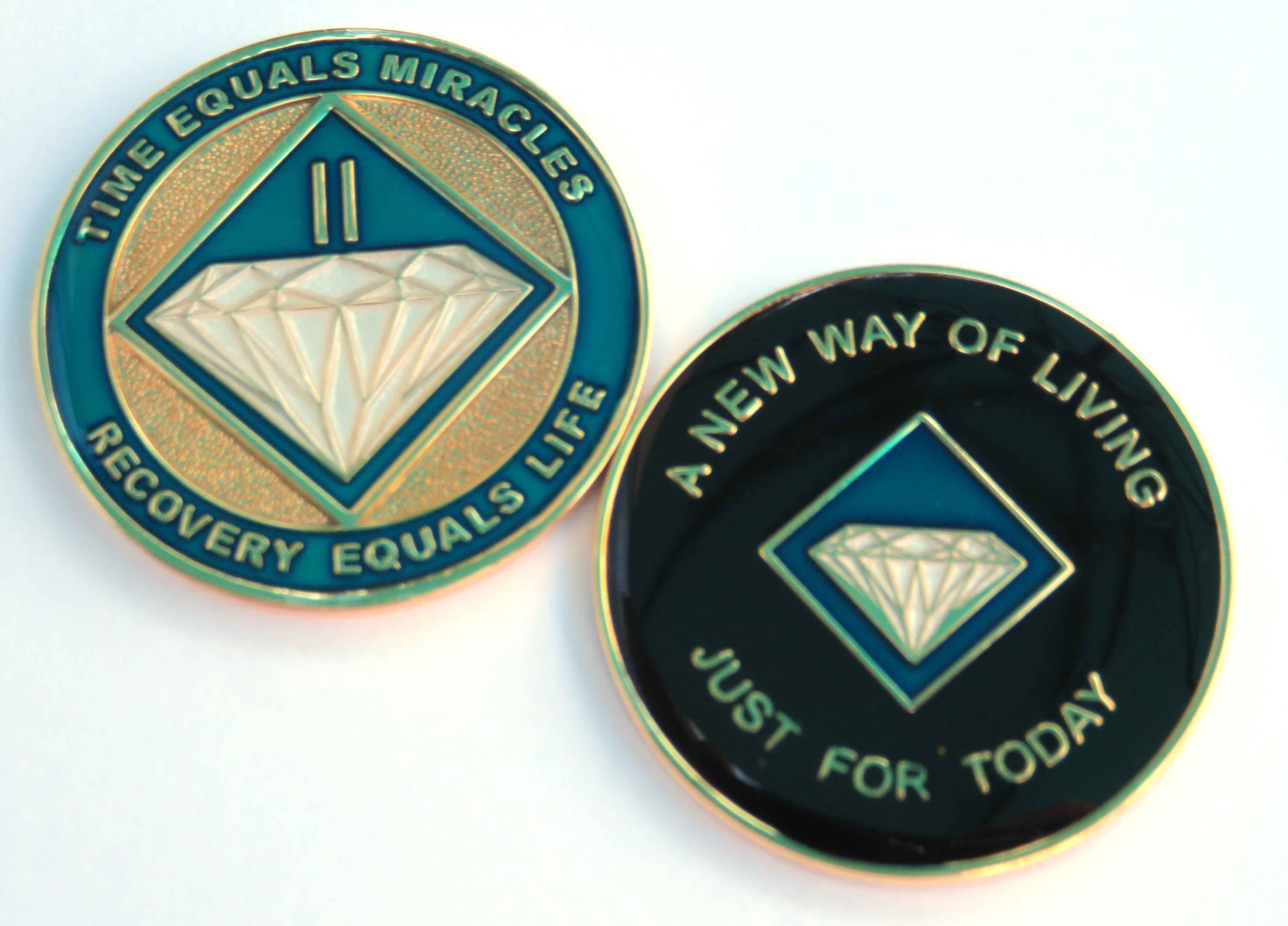
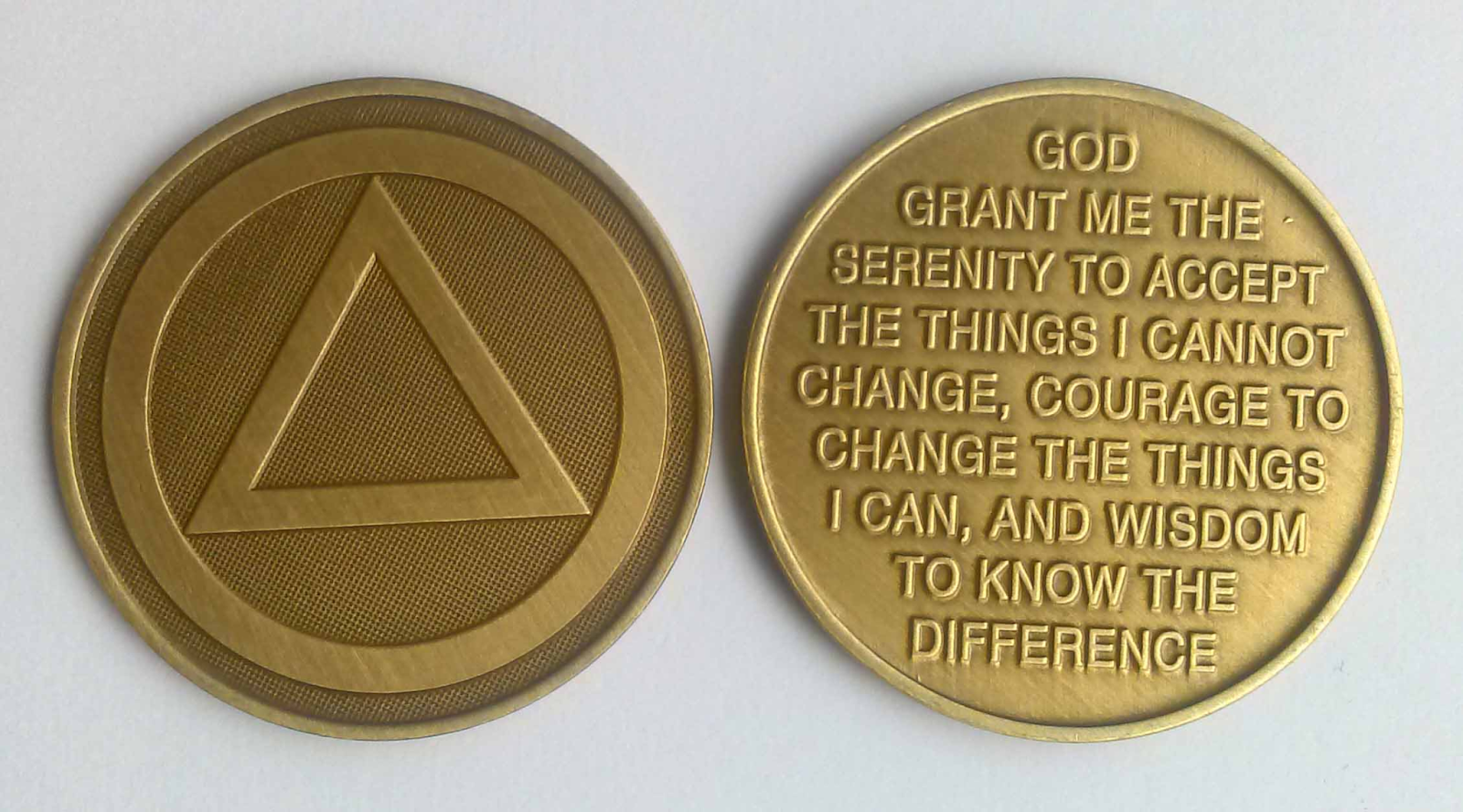
In Alcoholics Anonymous, the circle and triangle symbol stands as an iconic emblem of the recovery journey. The circle symbolizes unity, wholeness, and serenity, reflecting the fellowship’s commitment to mutual support through twelve step programs. Nested within that circle enclosing is the equilateral triangle, each side representing a core pillar: recovery, unity, and service—the very foundation of the Alcoholics Anonymous world services philosophy. First adopted in the 1940s, this alcoholics anonymous symbol quickly became shorthand for “working the steps”: the outer circle embodying the holistic path of ongoing fellowship and the inner triangle illustrating the three‐part structure of program principles. Together, they form a perfect union—a visual reminder that sobriety arises when these elements work in concert. You’ll find it embossed on sobriety chips, displayed in meeting rooms, and worn as pendants or AA pins, underscoring that true healing encompasses mind, body, and spirit—and offers unlimited potential for lifelong transformation.

Understanding the Triangle: Three Key Principles

The triangle symbol in NA and AA encapsulates the twelve step programs into three guiding tenets that sustain recovery. First, the equilateral triangle represents spiritual surrender—the willingness to admit powerlessness and trust in a Higher Power. This act of surrender parallels Step 3, where members “turn their will and lives over.” Second, the triangle stands for fellowship, emphasizing the importance of community and shared experience in conquering addiction’s isolation. It reflects the support systems forged in meetings and through na literature. Third, the triangle signifies service, encouraging members to “carry the message” by helping newcomers, sponsoring peers, or contributing in meeting roles. This three part disease framework reminds us that recovery isn’t purely individual; it thrives when each point—spiritual, social, and altruistic—supports the others. Whenever you see the triangle symbol, remember that lasting sobriety requires a balanced integration of personal transformation, communal strength, and compassionate outreach.

The Circle: Symbol of Wholeness and Lifelong Growth

Encircling the triangle inside is the circle, a timeless emblem of unity and the unlimited potential that recovery unlocks. In 12-step iconography, the circle symbolizes serenity, embodying the calm center you cultivate even amid life’s most turbulent moments. Its unbroken curve reflects continuity and resilience—an ever-present reminder that sobriety isn’t a single achievement but a sobriety circle of daily recommitment. Ancient traditions held the circle in high esteem, antiquity regarded it as representing eternity and the natural cycles of renewal. Within the alcoholics anonymous symbol, this gentle ring reassures members that personal transformation and spiritual awakening continue indefinitely. Each time you glance at the circle, you affirm your place in a supportive fellowship and embrace the promise that growth, healing, and more answers await at every turn of the recovery journey.

The Combined Symbol: Balance and Harmony in Recovery

When the circle enclosing the equilateral triangle melds into a single emblem, it embodies the perfect union of self-reflection, fellowship, and service. This integrated triangle symbol shows that genuine healing arises only when personal growth, community support, and spiritual practice move in concert. Picture it as a three-legged stool—if any leg weakens, the entire structure wobbles. By staying active in meetings, supporting newcomers, and cultivating conscious contact through prayer or meditation, members fortify each side of the triangle and preserve the circle’s serenity. You’ll see this powerful image engraved on sobriety chips, displayed on meeting-room walls, and worn proudly on AA pins—constant visual cues that sustainable recovery demands equal attention to mind, body, and spirit. Embracing this balanced approach ensures that every effort you make ripples outward, strengthening your own journey and lifting the entire Alcoholics Anonymous community.

image1

Spiritual and Emotional Interpretations of the Symbol

Beyond its structural blueprint, the triangle inside the circle invites profound reflection on both the spiritual and emotional dimensions of recovery. Spiritually, the circle can embody “God as we understood Him,” a protective ring of grace that surrounds and uplifts our highest aspirations. Within that sacred boundary, the triangle symbol—or equilateral triangle—becomes a map for the mind, body, and spirit, reminding us that true sobriety flows from holistic well-being. Emotionally, the sobriety circle offers a haven of acceptance: its unbroken form represents unconditional group support, a place where members can acknowledge and heal all these defects without fear of judgment. Meditating on this alcoholics anonymous symbol in quiet moments—or carrying a token like an AA pin—helps individuals anchor into serenity, balance their inner world, and translate spiritual insights into purposeful action. By contemplating how the triangle stands for recovery, unity, and service within the nurturing embrace of the circle, newcomers foster both conscious contact with a Higher Power and a durable sense of self-compassion that sustains life-long growth.

Circle and Triangle in Everyday Recovery Practice

Visualizing the Symbol in Tough Moments

During cravings or stress, picturing the triangle symbol secured by its sobriety circle can center thoughts. Mentally tracing the shape helps recall the three pillars—recovery, unity, service—while feeling held by the larger fellowship.

Using the Symbol in Journaling or Meditation

Many write or draw the circle and triangle before reflection, using it as a focal point for a fearless moral inventory or moments of doubt. Meditating on its geometry fosters mind circular focus, soothing agitation and reinforcing unlimited potential.

Reinforcing the 12 Steps Through Symbolism

Members often pair each numbered step with a point on the triangle—for example, Steps 1–3 at one corner, Steps 4–6 at another, and 7–9 at the third—then envision Step 10–12 as the circle uniting their practice, illustrating how each action aligns within the broader recovery framework.

Representing the Symbol Visually and Personally

Why Many Choose to Wear the Symbol

Wearing an AA pin or pendant featuring the circle and triangle offers a discreet yet constant token of one’s commitment. It’s both a personal talisman and an invitation to fellowship when spotted by others.

Turning It into a Daily Reminder of Progress

Some craft phone wallpapers or desk plaques with the emblem. Each glance at the symbol can spark gratitude for milestones earned and renew dedication to carrying the message to newcomers.

Symbol Use Across Recovery Programs

Alcoholics Anonymous (AA)

In Alcoholics Anonymous, the circle and triangle symbol first emerged in the late 1940s as a concise, memorable emblem of the fellowship’s core values. The equilateral triangle inside the circle provided members with an immediate reminder of the program’s threefold path—recovery, unity, and service—all held within the wider circle of mutual support and spiritual connection. Over time, this iconic design became inseparable from AA’s identity, appearing on meeting hall banners, sobriety chips, and AA literature. Today, AA newcomers instantly recognize the emblem as a beacon of hope, a testament to the group’s rich history, and a promise that no one walks the journey alone.

Narcotics Anonymous (NA)

In Narcotics Anonymous, the triangle and circle symbol takes on a personalized twist—many NA chapters embellish the design with a ring of smaller, sobriety chips–like circles encircling the inner triangle. This chain of interlocking circles underscores the strength found in collective support, reminding members that recovery from drug addiction thrives on shared experience and mutual accountability. Each small circle represents an individual’s journey, woven together around the central pillars of recovery, unity, and service. Displayed on NA meeting literature, pendants, and promotional materials, this layered symbol affirms that no addict stands alone: every path to sobriety is strengthened by the unity of the fellowship.

Al-Anon and Other 12-Step Groups

In family-centered fellowships such as Al-Anon and Nar-Anon, the triangle within the circle takes on a caring nuance: the outer circle symbolizes the protective network of loved ones, while the inner triangle still stands for unity, recovery, and service, now directed toward supporting the family member in need. This adaptation highlights the “perfect union” between compassionate outreach and personal well-being for those affected by another’s addiction. Seen on meeting materials, sobriety chips, and literature, this emblem reminds participants that healing requires both self-care and collective strength—encouraging relatives and friends to maintain their own serenity even as they offer steadfast support.

Common Misunderstandings About the Symbol

Many newcomers misinterpret the circle as a barrier or view the triangle symbol as representing only a select few. In reality, the circle enclosing the equilateral triangle is profoundly inclusive—its unbroken line extends an open invitation to all seeking serenity, while its three sides reflect the diverse journeys of recovery, unity, and service. Far from isolating, this emblem underscores that there is no single “correct” path: whether you’re engaging in addiction treatment, deepening your spiritual awakening, or practicing direct amends, each point on the triangle supports a shared commitment to lifelong growth. By appreciating this perfect union, members learn that the triangle inside the sobriety circle harmonizes individual stories into a collective journey toward wholeness.

Keeping It Visible for Motivation and Hope

Positioning the circle and triangle symbol in your daily environment—whether on a vision board, calendar, or alongside your sobriety chips—transforms it into a constant source of encouragement. This simple emblem, a fusion of the sobriety circle and triangle symbol, serves as a visual cue that more answers lie within the fellowship and your own inner resources. Every glance at this reminder can spark resilience during moments of doubt, reinforce your commitment to the twelve step programs, and reassure you that, no matter how isolating temptation may feel, community and purpose surround you. By making the symbol a fixture in your recovery space, you invite ongoing inspiration and hope into your journey.

Conclusion

The enduring power of the circle and triangle symbol lies in its elegant simplicity: the sobriety circle embodies unbroken fellowship and emotional refuge, while the triangle symbol captures the three essential pillars of spiritual surrender, unity, and service. Together, they form a visual roadmap for lifelong recovery—one that continues to resonate whether you see it engraved on an AA chip holder, gifted as sobriety gifts, or carried in your pocket during moments of temptation. This immutable emblem reminds us that true healing unfolds at the intersection of personal accountability, compassionate community, and faith in something greater than ourselves. As you carry this symbol forward—displaying it on na chips, wearing it as a pendant, or reflecting on it in meditation—you reinforce the promise of balance and the unlimited potential awaiting every step on the path to sobriety.

Posted in Uncategorized | Leave a comment

The 12 Steps of NA for Beginners: Your Guide to Success

Narcotics Anonymous (NA) provides a structured, time-tested framework for breaking free from substance dependence and maintaining long-term sobriety. Originating alongside Alcoholics Anonymous world services, NA’s twelve step programs combine NA literature, group fellowship, and spiritual awakening to foster lasting change. As you progress through Steps 1–12—each emphasizing self‐reflection, searching and fearless moral inventory, and conscious contact with a Higher Power—you become part of a global community rooted in honesty, humility, and service. Many members find it helpful to keep reminders of their commitment on hand, such as an NA 12 Step Book, narcotics anonymous pendant, or discreet recovery rings from our recovery store. If you’re stepping into recovery for the first time or rekindling your journey after a setback, this guide will help you navigate the steps and access the resources you need to thrive.

Step-by-Step Breakdown for Beginners

The 12 Steps of NA unfold in a deliberate sequence that balances personal inventory with the strength of group fellowship and ongoing conscious contact. Each step builds on the last, guiding you from the crucial admission of powerlessness through to the lifelong commitment of “carrying the message.” Early steps focus on surrender—Step 1’s admission of addiction and Step 2’s invitation to open-minded faith—while mid-program steps, such as the fearless moral inventory of Step 4 and the sharing of that inventory in Step 5, cultivate honesty and accountability. Steps 6 and 7 prepare you for character change, and Steps 8 and 9 call you to make direct amends to those you’ve harmed. The final stages—active reflection in Step 10, deepening of spiritual practice in Step 11, and service to others in Step 12—ensure your recovery journey transforms both your own life and the lives of fellow members. By working each step in community, you reinforce your resilience and embrace the promise of sustained spiritual awakening.

Step 1: Admitting Powerlessness

In Step 1, you admit you’re powerless over drugs and acknowledge that life has become unmanageable. This courageous act of surrender breaks through the walls of denial, allowing you to recognize addiction’s grip on every area—from relationships to work. By honestly stating your limitations, you lay the groundwork for genuine change and open yourself to the support of NA and a Higher Power. This admission isn’t a sign of weakness but a vital step toward freedom, reminding you that recovery begins the moment you accept you cannot conquer addiction alone.

Step 2: Finding Hope in a Higher Power

In Step 2, you recognize that a power greater than yourself can restore you to sanity and guide your recovery. Whether that power is a spiritual force or the collective wisdom of Alcoholics Anonymous world services, embracing faith brings renewed hope. This step invites you to let go of the illusion of total self-reliance and open yourself to conscious contact—through prayer, meditation, or sharing in NA meetings. As you cultivate this relationship, you begin to experience a spiritual awakening, discovering inner resources and community support that light a clear path beyond addiction’s darkness.

Step 3: Turning Over Control

In Step 3, you make the conscious decision to turn your will and life over to your Higher Power’s care. This deliberate act of surrender dismantles the self-centered habits that fueled your addiction, fostering the humility necessary for growth. By relinquishing control, you acknowledge that alone you cannot manage life’s challenges—you invite guidance that can restore us to sanity and support lasting change. This step also teaches you to trust the process of addiction treatment, allowing you to focus on today’s choices rather than yesterday’s regrets or tomorrow’s worries. As you practice daily surrender, you gain freedom from compulsive behaviors and open the door to genuine spiritual progress.

 Step 4: Taking a Personal Inventory

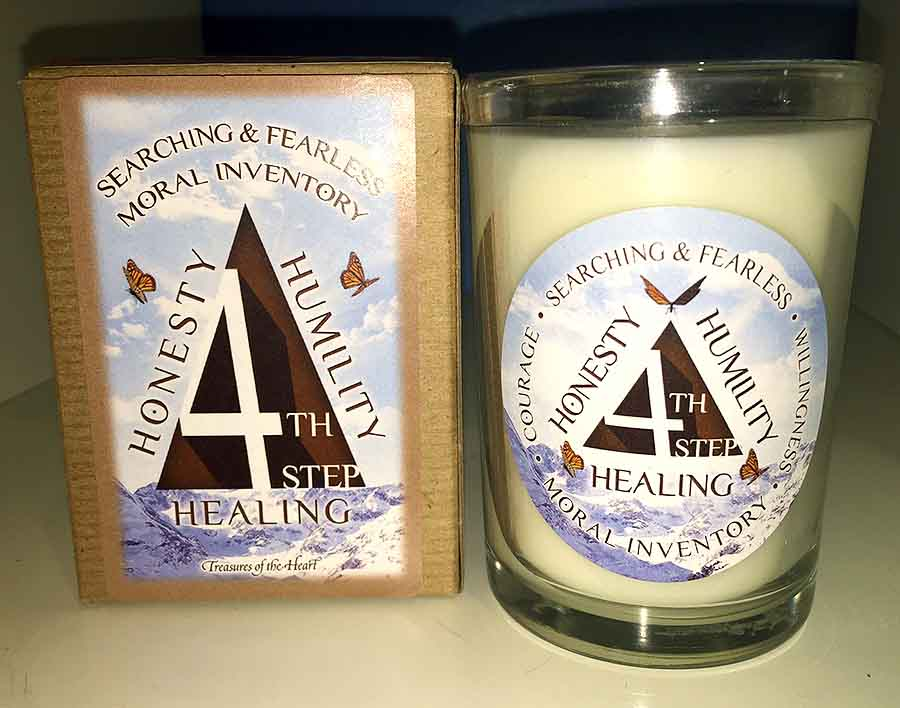
Step 4 invites you to conduct a searching and fearless moral inventory, examining your resentments, fears, and the patterns that have undermined your well-being. In this personal inventory, you honestly identify all these defects—from past resentments toward such people to behavior that contradicts your values. By pinpointing the exact nature of your shortcomings, you lay the groundwork for genuine change. This introspection, a hallmark of twelve step programs, helps you acknowledge wrongs and prepare for the healing work ahead.

image2

Step 5: Sharing Your Inventory

In Step 5, you courageously admit to your Higher Power, yourself, and “another human being” the exact nature of your wrongs. This honest confession transforms your personal inventory from private burden to shared truth, dissolving shame and reinforcing accountability. Speaking aloud your resentments, fears, and missteps in NA meetings or with a trusted sponsor fosters humility and builds connection. By practicing wrong promptly admitted, you learn to own your actions rather than dodge responsibility. This vulnerable exchange not only deepens your recovery roots but also demonstrates how living these principles in all our affairs strengthens both your sobriety and your relationships.

Step 6: Becoming Ready for Change

In Step 6, you practice complete willingness—opening your heart and mind so your Higher Power can remove all these defects of character. This readiness requires honest self‐reflection and a commitment to spiritual awakening, acknowledging that old patterns no longer serve you. Cultivating this openness involves prayer, meditation, or simply sharing in NA meetings, where others’ experiences reinforce your own desire for growth. As you let go of resistance, you invite humility and flexibility, essential qualities for the ongoing journey. Embracing Step 6 means trusting that transformation is possible and that your higher power will guide you toward a healthier, more authentic life.

Step 7: Asking for Help to Remove Defects

In step 7, you humbly ask your Higher Power to remove “all these defects” of character that undermine your recovery. By voicing this request in prayer or meditation, you demonstrate genuine faith in spiritual guidance—and your own commitment to growth. This active surrender replaces self-reliance with trust, showing that letting go of pride and fear is essential for lasting change.

Step 8: Listing Those You’ve Harmed

In step 8, you compile a thorough list of such people—family, friends, and strangers—whom your addiction or behavior has hurt. This inventory goes beyond simple regret; it illuminates the real-world impact of your actions. By acknowledging every offense, you prepare yourself for meaningful direct amends, ensuring your efforts to make right are sincere and well-informed.

Step 9: Making Amends

In step 9, armed with your list, you reach out to make direct amends to such people wherever possible—except when doing so would harm them or others. This demands courage, as you must risk vulnerability to restore broken bonds. By offering genuine apologies and reparations, you begin to restore us to sanity, rebuilding trust and demonstrating your resolve to live with integrity.

Step 10: Ongoing Personal Inventory

In step 10, you commit to a daily searching and fearless moral review, promptly admitting when you’re wrong. Recovery isn’t static, and these continual check-ins guard against slipping back into old patterns. By practicing wrong promptly admitted, you keep your character progress on track and your relationships honest.

Step 11: Improving Your Spiritual Connection

In step 11, you deepen conscious contact with your Higher Power through consistent prayer and meditation. Focus your requests on understanding that Power’s will for you, and ask for the power to carry it out. This daily spiritual exercise cultivates serenity, fortifies your purpose, and keeps you aligned with the values that support your recovery.

Step 12: Carrying the Message

Having experienced a spiritual awakening as the result of these steps, you are called to carry the message to fellow addicts and practice these principles in all our affairs. By sharing your journey—whether sponsoring a newcomer, chairing a meeting, or offering a listening ear—you reinforce your own recovery and give hope to those still struggling. Engaging in service work, from setting up group rooms to organizing outreach events, deepens your commitment and embeds the NA tradition of mutual support. In living Step 12, you not only uphold the fellowship’s promise but also ensure that the gift of recovery continues to flow through every act of compassion and responsibility.

Conclusion: Your Journey Starts with One Step

Working the 12 Steps of NA transforms lives by fostering humility, accountability, and spiritual awakening. As you progress from admitting powerlessness to carrying the message, you’ll discover renewed purpose and mental freedom. Many find that pairing these steps with addiction treatment and mental health services—including resources from the Mental Health Services Administration—enhances their success. Embrace each step fully, lean on your NA community, and explore recovery tools from our recovery store like the aa 12 step book, narcotics anonymous pendant, and narcotics anonymous rings as reminders of your commitment. Your guide to success starts now—take that first step today.

Posted in Uncategorized | Leave a comment

What Are The Levels Of AA Medallions?

What Are AA Medallions?

In the world of Alcoholics Anonymous, tokens of progress hold deep meaning. Known as AA medallions, AA chips, or sobriety chips, these small items carry weight far beyond their size. Each one is a physical reminder of the effort, honesty, and perseverance it takes to remain on the path of recovery. They are not given casually. Every sobriety coin must be earned, and receiving one reflects a significant step forward in the sobriety journey and the broader recovery journey.

At My 12 Step Store, the importance of these symbols is celebrated with a wide selection. You will find everything from classic AA medallions to elegant keepsakes like 14 karat gold medallions for marking a significant milestone. Some choose an AA necklace to wear their achievement as a daily reminder of strength. Others keep their tokens safe in an AA medallion holder, a way to protect and cherish the history of their journey.

These medallions are more than just markers of time. They embody resilience, gratitude, and the unity found within AA meetings. They remind each person that they are part of a fellowship that values progress, supports growth, and recognizes every victory along the way.

What Do AA Medallions Symbolize

Medallions have been part of Alcoholics Anonymous AA culture for decades. They serve as physical reminders of progress, discipline, and community. In AA groups, members share their experiences, and when someone achieves a significant milestone, they may receive one of these tokens. The medallion reminds them that change is possible and that others have walked this same path.

The act of giving sobriety chips during AA meetings is also symbolic. It celebrates progress and connects individuals to the larger AA culture. Whether someone receives a sobriety bronze chip after early success or a sobriety gold chip marking years of dedication, these items inspire strength and serve as anchors in the recovery process.

How the AA Medallion System Works

Purpose of Sobriety Milestones

The AA chip system helps mark sobriety milestones. By presenting physical tokens of progress, AA groups reinforce accountability. These moments keep individuals motivated in the recovery journey while celebrating growth and personal growth. Even the smallest achievement, such as one day of sobriety, can be life changing, and the AA chip system work ensures every step is recognized.

The Meaning of Colors and Designs

Each AA medallion has a purpose, with specific colors tied to important sobriety milestones. These colors are not chosen randomly. They reflect progress, renewal, and the courage it takes to stay committed to the recovery journey. For example, the sobriety dark blue chip often marks the very beginning, a symbol of fresh commitment and the willingness to take the first step. For many, this chip represents hope and the promise that change is possible one day at a time.

At six months, recipients may receive a sobriety green chip, a token that often signifies growth, stability, and endurance through half a year of challenges. The sobriety pink chip is another cherished symbol, often given to inspire reflection and gratitude during ongoing progress. Tokens such as the sobriety purple chip, sobriety bronze chip, or sobriety copper chip also carry their own unique place within the AA chip system, each one marking a stage in the continuing sobriety journey.

Reaching later milestones often comes with tokens of even deeper significance. The silver chip is frequently viewed as a mark of consistency, while the sobriety gold chip is regarded as a crown jewel, representing long-term perseverance, resilience, and dedication to sobriety. These higher-level tokens highlight how the AA chip system work reinforces both accountability and community support.

The designs themselves also matter. Some AA coins feature inscriptions, symbols, or mottos from Alcoholics Anonymous AA that serve as daily reminders of perseverance. Others use raised lettering or artistic detail to make the medallion feel more personal. When presented in AA meetings, these tokens do more than measure time. They embody accountability, shared strength within AA groups, and the unshakable reminder that every achievement in the recovery process deserves recognition.

AA Medallion Levels by Time Milestone

image2

24-Hour and Newcomer Chips

The first token often given is the 24-hour chip. This sobriety coin recognizes the very first step of the sobriety journey. In AA culture, it represents willingness to begin, humility to accept help, and courage to take the first step.

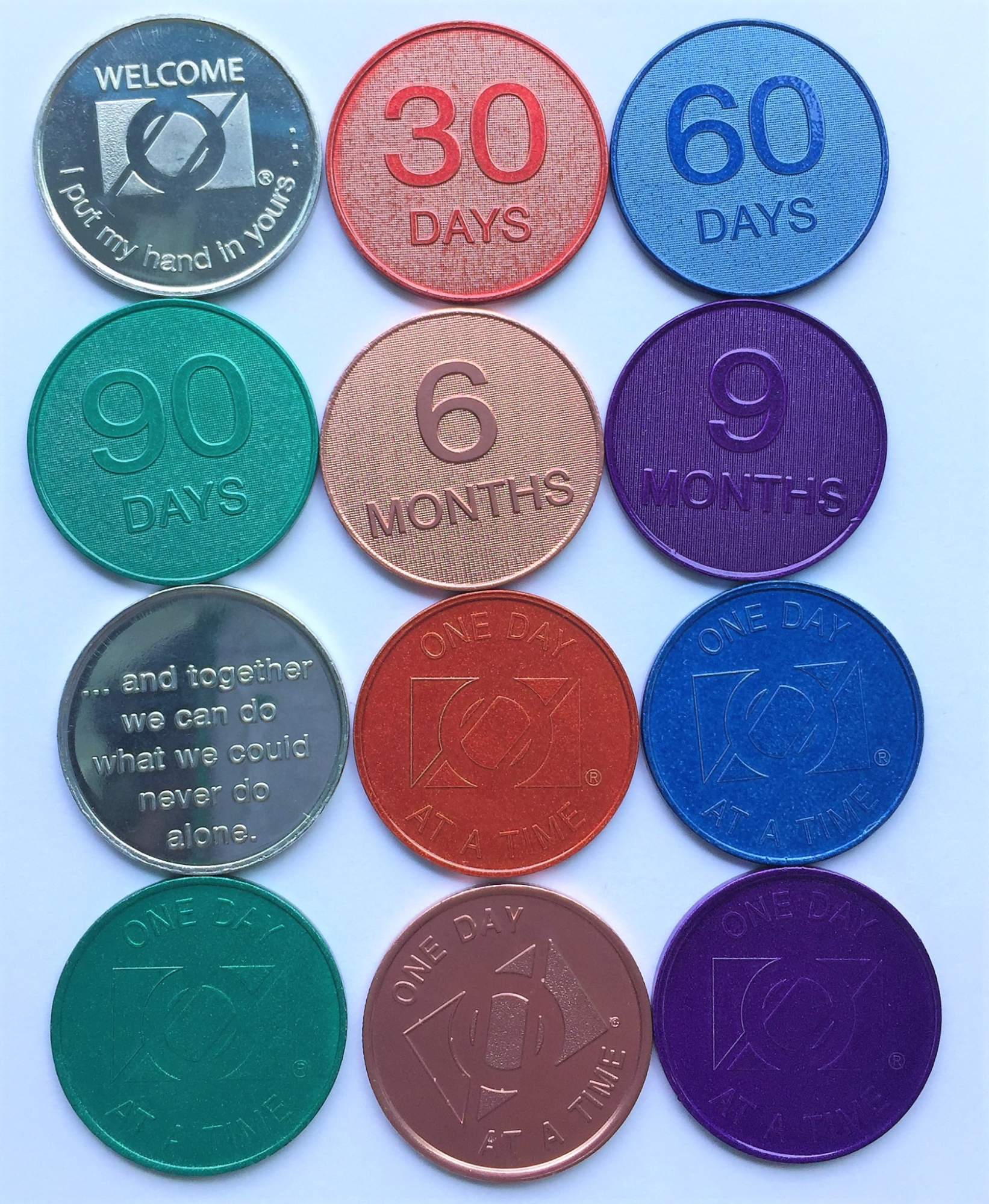
30-Day, 60-Day, and 90-Day Chips

The early stages of recovery are some of the hardest. AA sobriety chips mark these crucial first months, reinforcing consistency. Whether someone receives a sobriety bronze chip at 30 days or a silver chip at 90 days, the message is clear: progress matters. These tokens show that perseverance during the early months of sobriety builds a foundation for long-term success.

6-Month and 9-Month Medallions

At six months, recipients may receive a sobriety green chip. At nine months, a sobriety copper chip is given, recognizing strength and the steady continuation of the recovery journey. These tokens celebrate endurance through temptation and reinforce accountability within AA groups.

1-Year AA Medallion and Beyond (Multiple-Year Chips)

The one-year mark is a significant milestone celebrated with a sobriety gold chip. In many AA meetings, this token is accompanied by cheers, hugs, and encouragement from fellow members. As the years continue, recipients may earn multiple-year AA coins or even custom medallions like 14 karat gold medallions to commemorate their progress. The tradition of giving sobriety chips ensures that every year of commitment is recognized, making long-term sobriety feel both rewarding and supported.

Spiritual and Emotional Significance

Motivation and Accountability in Recovery

The tokens of Alcoholics Anonymous AA are more than markers of time. They build accountability. By celebrating sobriety milestones, members stay motivated to keep progressing. Each sobriety purple chip or silver chip strengthens the will to move forward, reminding the person that they are never alone in this recovery process.

Receiving an AA medallion during AA meetings also connects the recipient to community. For many, these moments spark a spiritual awakening and highlight the connection between sobriety and personal growth.

Celebrating Progress One Day at a Time

The medallion system highlights that sobriety is not about perfection but persistence. Celebrating each day, each chip, and each sobriety milestone reinforces the principle of “one day at a time.” These traditions extend across AA groups and even into Narcotics Anonymous, where similar tokens are presented. The AA chip system has influenced multiple recovery programs, creating consistency and structure in the way people mark progress in addiction treatment.

Final Thoughts

The Levels Of AA Medallions offer more than recognition; they represent strength, accountability, and connection. From the first sobriety dark blue chip to a shining sobriety gold chip, each token marks a significant milestone in the sobriety journey. Tokens like the sobriety purple chip, sobriety bronze chip, silver chip, and sobriety copper chip show that progress deserves to be celebrated at every stage.

At My 12 Step Store, you will find a wide variety of AA medallions, from traditional designs to elegant 14 karat gold medallions. Whether you are looking for a gift, an AA necklace, or an AA medallion holder, our AA store provides meaningful ways to celebrate sobriety and support the recovery journey.

Every chip, coin, and medallion symbolizes courage and perseverance. They remind us that each step in the recovery process is worth honoring. In the end, the AA chip system work is not only about marking time but about building community, fostering personal growth, and offering hope to anyone walking the path of Alcoholics Anonymous AA.

Posted in Uncategorized | Leave a comment

Sobriety Gifts: Gifts to Celebrate Sobriety

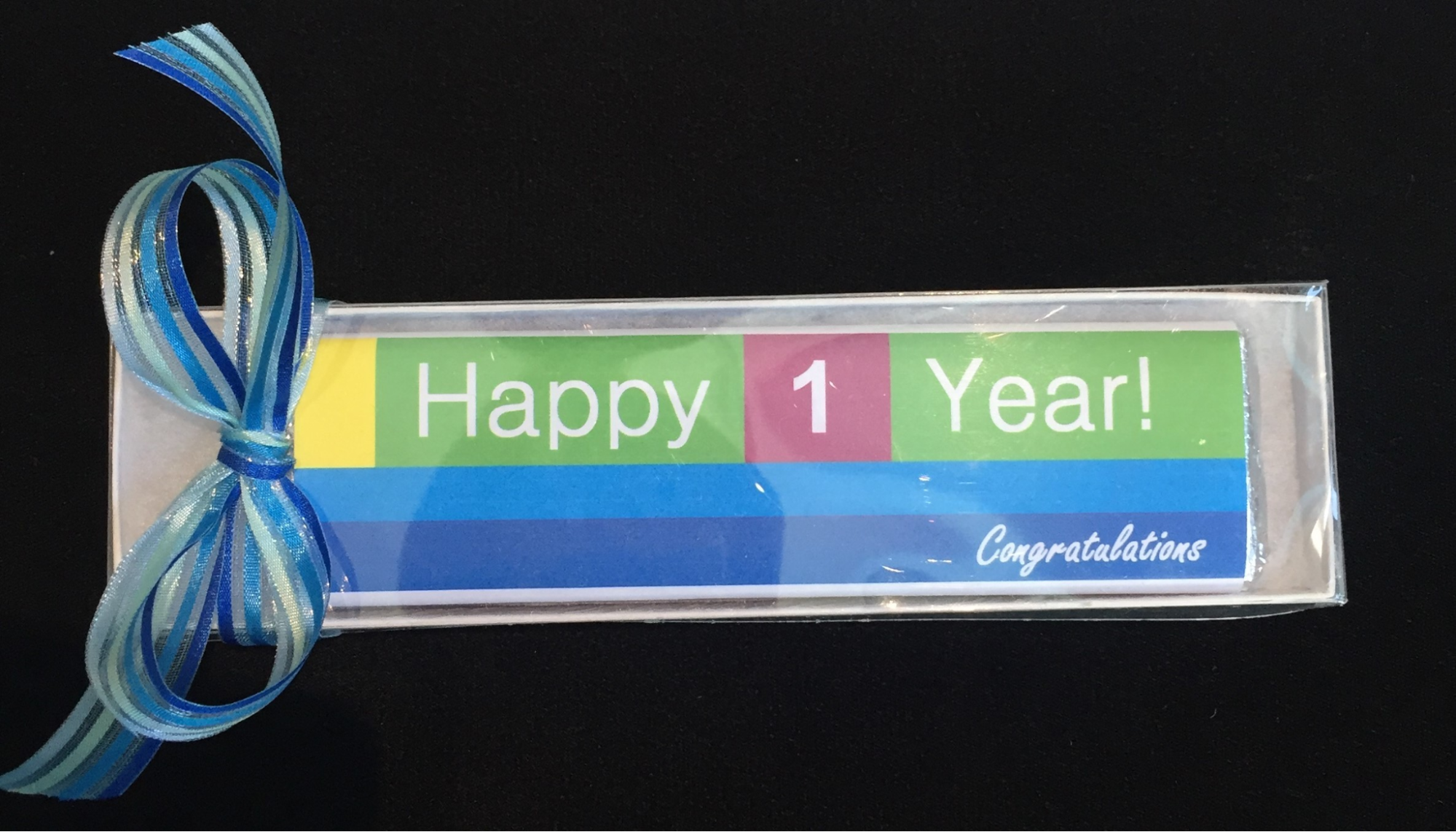
Every milestone in recovery deserves recognition. Hitting a milestone like another month, year, or decade without alcohol or other substances, after wrestling with addiction, is a huge deal. It shouts out loud about the courage, the grit, and the deep, meaningful growth someone has experienced. Each of these moments does more than just count the days. They show true movement in a long recovery and highlight the powerful choice made daily to keep moving ahead.

Choosing the right sobriety gifts is one of the most heartfelt ways to show encouragement and love. A carefully selected present becomes more than a token, it transforms into one of those truly meaningful gifts that remind the recipient of their strength and commitment. From timeless sobriety gift ideas like sobriety anniversary cards to symbolic pieces that reflect a spiritual awakening, the goal is always the same: to celebrate sobriety and acknowledge the resilience that keeps the journey alive.

Helping people heal stands as our main purpose at My 12 Step Store. We pick items that hold deep personal meaning and truly inspire hope. Whether you’re browsing for sobriety gifts for him , choosing sobriety gifts for her , or exploring practical tools like meditation and reflection aids, you’ll find options that lift the spirit and strengthen commitment. From sobriety tokens to personalized journals and recovery keepsakes, every choice is designed to encourage mental health and honor the ongoing path of recovery. With the right gesture, you help your loved one feel seen, valued, and celebrated, because every step toward healing is worth honoring.

What is a Good Sobriety Gift?

Think of a sobriety gift as a tangible cheer. It tells someone, “I see your hard work, I’m proud of you, and I’m here for you every step.” For someone navigating the challenges of addiction recovery or celebrating a milestone in their recovery process , the right gift reflects acknowledgment of their strength and resilience. What truly shifts things comes down to… Presents chosen with heart. You’ll feel a surge of dedication, a calm sense of support. It’s a clear message: your dedication and effort don’t go unnoticed.

Some people prefer symbolic keepsakes that carry tradition, such as sobriety tokens or sobriety coins often given in Alcoholics Anonymous . These objects regularly bring to mind personal growth and a shared bond with a broader recovery network. Plenty of folks really enjoy what it brings. Instead of stuff, give them a great memory. so they build fresh, happy memories, like a fun trip. A quick escape. , a Your exercise mat. to construct. How well your body moves and functions. or just signing up for a Taking a moment to sit still, observe your mind, and find some inner peace. Kids bloom here. They learn so much. How our minds feel and function daily. and find your inner calm. Such moments strongly affirm recovery means forging a life rich with improved health and deep satisfaction.

Personalized Sobriety Keepsakes

Sobriety Medallions or Chips

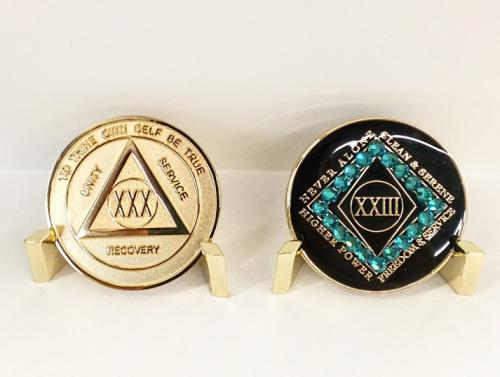
Few things hold as much significance in the recovery community as sobriety tokens. These medallions, often distributed in Alcoholics Anonymous meetings, mark progress in increments of 30 days, 90 days, one year, and beyond. Gifting a medallion not only acknowledges the milestone but also ties the recipient to a tradition that has supported countless people through their recovery process.

image1

 Engraved Jewelry

Jewelry customized with initials, dates, or recovery slogans makes a thoughtful and elegant keepsake. An engraved bracelet, necklace, or ring becomes a daily reminder of strength. These pieces serve as meaningful gifts that encourage mental health and confidence during difficult times.

Customized Mementos

Other options include engraved picture frames, shadow boxes with sobriety coins, or plaques that mark a specific sobriety anniversary. These personalized items combine symbolism with beauty, creating thoughtful gifts that will be treasured for years.

Wellness and Self-Care Gifts

A personalized journal provides a private space for self-reflection, gratitude, and progress tracking. Recovery is not just about abstaining; it’s about building a new life. Journaling supports both mental health and long-term accountability, making it one of the most versatile sobriety gift ideas.

Sobriety Journals or Planners

Wellness baskets filled with teas, candles, and essential oils can encourage rest and renewal. Add items like cozy blankets or uplifting books to create meaningful gifts that nurture emotional and physical health while helping recipients unwind.

Self-Care Gift Baskets

Diffusers paired with essential oils like lavender or eucalyptus offer a calming addition to recovery spaces. Used during meditation or relaxation routines, they can improve focus and promote inner peace.

Aromatherapy Diffusers

Diffusers paired with essential oils like lavender or eucalyptus offer a calming addition to recovery spaces. Used during meditation or relaxation routines, they can improve focus and promote inner peace.

Experience-Based Gifts

Yoga or Meditation Classes

Gift certificates for classes encourage new habits that strengthen body and mind. A high-quality yoga mat paired with classes can make the experience even more accessible. When you do these, your mind feels better, stress fades, and you grow stronger through healing..

Weekend Getaways

Sometimes the best way to celebrate sobriety is through a change of scenery. A weekend getaway offers rest, adventure, and new memories with loved ones.

Creative Classes

Art workshops, cooking lessons, or writing groups offer outlets for expression and growth. These experience based gifts encourage creativity, which often becomes a valuable part of healing in addiction treatment programs.

Inspirational and Practical Gifts

Books rooted in recovery themes, including literature from Alcoholics Anonymous or personal memoirs, inspire resilience and encourage ongoing learning. Combined with sobriety anniversary cards or other tokens, they create great gift packages that honor milestones.

Recovery Books

Books rooted in recovery themes, including literature from Alcoholics Anonymous or personal memoirs, inspire resilience and encourage ongoing learning. Combined with sobriety anniversary cards or other tokens, they create great gift packages that honor milestones.


image2

Recovery-Themed Artwork

Wall art with uplifting quotes or recovery symbols can be placed in a home office, home bar alternative space, or meditation corner. Artwork becomes a visible reminder of hope, strength, and renewal, offering both decoration and encouragement.

Fitness Trackers or Smartwatches

Supporting physical health is another way to encourage lasting sobriety. Tools that monitor activity, heart rate, or sleep patterns double as practical gifts and motivators for continued progress.

Unique and Symbolic Gifts

Sobriety-Themed Clothing

From t-shirts with motivational sayings to hoodies featuring milestone years, clothing is a wearable way to celebrate sobriety. It’s a fun, casual reminder of progress that sparks conversations and builds community.

Houseplants

Plants really show us about growing, needing our care, and being strong. Imagine tending a simple plant as you get stronger. Its steady growth shows you firsthand: gentle care helps life blossom.

Handwritten Letters

Few gifts carry the emotional punch of a sincere letter from someone you love. A written message clearly states your pride, affection, and confidence in a person’s life journey. These often become cherished objects, offering solace and encouragement during hard times.

Tips for Choosing the Perfect Sobriety Gift

When selecting sobriety gifts, consider the recipient’s unique journey. Think about whether they’d value experience based gifts, keepsakes, or tools that support wellness. Ask yourself: Does the gift encourage mental health? Does it reflect their stage in the recovery process?

It’s also important to consider how many sobriety gifts for him or sobriety gifts for her will make the celebration special without overwhelming the moment. Quality often outweighs quantity. Remember, such people in recovery thrive on encouragement that feels genuine.

The best approach is to choose bar stools, or rather, sobriety gifts that are not only symbolic but also practical. Whether it’s a yoga mat, sobriety anniversary gifts, or a personalized journal, the right choice affirms both commitment and progress.

Conclusion

Transforming your life into a permanent improvement involves courage and faith, day after day. However, sobriety gifts are the best way to express real support for their progress and give inspiration to carry on. It’s not about the item: a sobriety medallion, a piece of engraved jewelry, a sobriety anniversary card, or even an experience-based gift like a weekend getaway, sends an important message. They each offer my comfort and care. It also undoubtedly indicates significant progress in someone recovering from an illness or injury.

We have sobriety gifts for her, sobriety gifts for him, and the most unique sobriety anniversary gifts at My 12 Step Store. The ad includes sobriety tokens, milestone coins, and personalized journals. Included are meditation aids, engineered for mental clarity, reflection, and spiritual fortification.

By giving sobriety gifts that are real gifts and thoughtful gifts, you do more than just celebrate sobriety. When another person honors their commitment to wellness and recovery, you see their resolve and spirit expand. Even when it feels like the utmost care is extended to the item, the greatest treasure among abandoned objects is not the object at all, but the love, pride, and hope it represents.

Posted in Uncategorized | Leave a comment

What Are the 12 Principles Of Alcoholics Anonymous?

image1

For countless people, Alcoholics Anonymous has been more than a support group. This place became a lifeline. Here, healing starts with real honesty, a humble spirit, and strong hope. At the heart of the program are the Principles Of Alcoholics Anonymous, which serve as guiding values that shape both the twelve steps and the steps and twelve traditions. Specific actions guide your daily choices. But the deeper truths, or principles, help you build honesty, grow as a person, and stay sober for good.

These spiritual principles are not abstract concepts. These are practical helpers for healing from addiction, finding emotional calm, and nurturing your spirit. Consistently applying these AA principles lets members heal deeply. This affects everything: stronger relationships, better work performance, improved self-worth, and a more active role in their community. Let’s dig into these twelve points. We’ll find out exactly how they help someone gain grit, accept their past, and grab onto a brighter future while on the road to recovery.

The 12 Principles of AA 

Step 1 – Admitting powerlessness over alcohol

The first of the twelve steps begins with honesty. By admitting powerlessness, AA members acknowledge that alcohol has controlled their choices. This principle reminds us that recognizing a problem is not weakness but the beginning of strength. It’s the foundation for the courage step, a moment when you stop denying and start facing reality. Accepting powerlessness frees space for healing and growth, showing that surrender is not defeat but a brave move toward freedom.

Step 2 – Believing in a higher power

The second principle centers on hope. It encourages participants to believe that a higher power can restore order and clarity where addiction caused chaos. While interpretations of that power vary, from God to community or even the collective wisdom of AA members, the belief itself provides strength. It’s about trusting that healing is possible, even when willpower alone has fallen short. This trust is a key piece of the principles of AA, offering reassurance during uncertain times.

Step 3 – Surrendering to the higher power

The third principle is faith. This is where surrender deepens. Instead of carrying the burden alone, individuals choose to place their will and lives in the care of a higher power. That decision can feel daunting, but it opens the door to transformation. It’s another form of the integrity step, because letting go requires honesty and trust in the process. Faith provides courage when temptation whispers and helps keep focus on lasting healing.

Step 4 – Making a moral inventory

Courage shines again in the fourth principle. Here, AA members take a fearless moral inventory, examining the patterns, behaviors, and decisions that fueled their struggle with alcohol. This level of self reflection is never easy, but it clears away denial and replaces it with awareness. By exploring character flaws, resentments, and past actions, individuals discover opportunities for personal growth and the seeds of a future spiritual awakening.

image2

Step 5 – Admitting wrongs to others

The fifth principle emphasizes integrity. After completing a moral inventory, members take the next step: confessing their wrongs to another person. Speaking these truths aloud helps dissolve shame and rebuilds trust. For many, this principle represents a chance to practice integrity in the most vulnerable way possible. Honest conversations create freedom from secrets and invite healing for relationships with such people who were hurt in the past.

Step 6 – Becoming ready to remove defects

Willingness defines the sixth principle. Acknowledging character flaws is one step; preparing to release them is another. Readiness means approaching the recovery today with humility, even when fear lingers. This principle requires courage, as letting go of familiar behaviors, even if they are destructive, can feel unsettling. Yet willingness marks the turning point between awareness and action.

Step 7 – Asking for defects to be removed

The seventh principle is humility in its truest sense. Here, members actively seek change by asking a higher power to god remove shortcomings. This practice deepens the journey toward spiritual well being and reinforces the belief that transformation is possible. It’s an act of trust, a reminder that change does not come from sheer force but from partnership with something greater than ourselves.

Step 8 – Listing those harmed

The eighth principle focuses on responsibility. After completing a thorough personal inventory, individuals prepare to make amends. This step asks members to look honestly at such people who were affected by their past actions. The list becomes a guide for healing broken connections and an important part of the recovery process, reminding participants that sobriety involves more than self—it’s about repairing relationships.

Step 9 – Making amends

Love and justice shine through in the ninth principle. Making amends requires direct action, whether through an apology, restitution, or changed behavior. This is not about quick fixes but about living out the principles of AA in tangible ways. Facing those harmed, offering sincerity, and committing to change represents both a courage step and an integrity step, showing that AA members are ready to live differently.

Step 10 – Continuing personal inventory

Perseverance defines the tenth principle. The work doesn’t end after the first moral inventory; it’s an ongoing process. Regular personal inventory keeps individuals aware of behavior patterns that could undermine their progress. The ability to admit mistakes quickly and make amends ensures that recovery today remains steady, not stagnant.

Step 11 – Seeking connection through prayer/meditation

The eleventh principle highlights spirituality. Members are encouraged to deepen their connection through prayer, reflection, and meditation books that nurture inner peace. This is often where a lasting spiritual awakening takes shape, as daily practices strengthen focus and guide behavior. Whether someone turns to al anon books, faith traditions, or quiet meditation, the result is greater clarity and balance.

Step 12 – Carrying the message to others

The twelfth principle is service. Sharing your journey, strength, and hope with others powerfully helps your recovery stick. By guiding newcomers through the twelve steps and the steps and twelve traditions, seasoned members affirm their own journey while supporting the next person in line. Service becomes an expression of gratitude, a way to turn personal healing into a gift for the community.

How to Apply the 12 Principles in Daily Life

The true impact of the Principles Of Alcoholics Anonymous comes when they are lived out in daily life. For some, this might mean starting mornings with a few minutes of reflection using trusted meditation books. For others, it’s keeping a personal inventory journal where they write down feelings, patterns, and small victories. These practices strengthen self reflection and support ongoing personal growth.

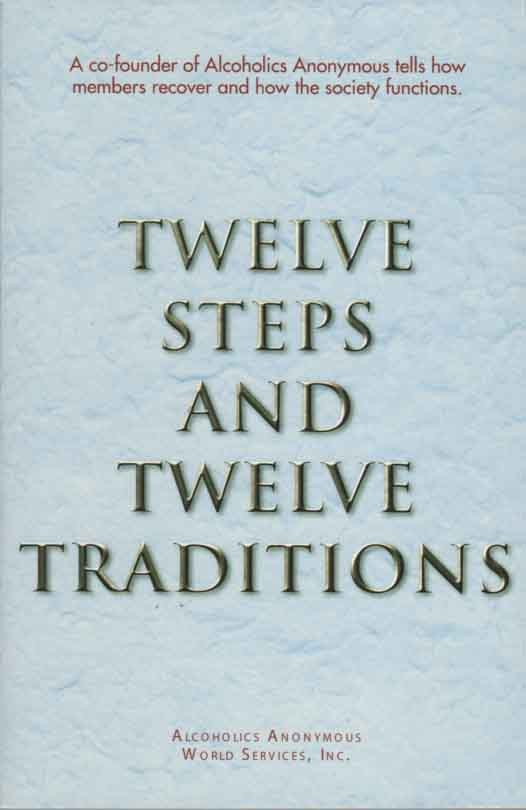
Applying the twelve steps is not about perfection. It’s about showing up, making progress, and finding ways to stay connected. When old habits surface, members can lean on recovery resources like AA books, supportive groups, or even complementary addiction treatment programs. Many also turn to NA books for additional perspective or to AA book covers that keep their most important tools close at hand.

In every case, the goal is to maintain spiritual well being and continue nurturing the spiritual awakening that began in earlier steps. Cultivating humility, consistently upholding integrity, and dedicating oneself to service foster a profoundly harmonious existence. While the program certainly advocates for reliance on a spiritual source, it concurrently stresses the irreplaceable value of human connection. After all, genuine recovery often blossoms when individuals support one another.

Conclusion

The Principles Of Alcoholics Anonymous are more than ideals; they’re a framework for living. Honesty, humility, courage, and service—these important qualities help people stay sober and build stronger character. From the first fearless moral inventory to the twelfth act of carrying the message, the journey leads to deeper understanding, restored relationships, and genuine spiritual awakening.

Whether you’re exploring the steps and twelve traditions for the first time or you’re a seasoned participant, these guiding values continue to shape addiction recovery in meaningful ways. At My 12 Step Store, you’ll find supportive recovery resources like AA books, al anon books, NA books , and arcade accessories for your lifestyle. You’ll also discover inspiring aa book covers and meditation books that help nurture the heart of the program.

With each sunrise in recovery, you get to grow, heal, and find a bigger purpose. Adhering to AA’s established guidelines fosters an internal fortitude. This fortitude then sustains your abstinence and empowers your broader existence. And in moments of challenge, remember that there is confidential help available, and a community ready to walk with you. Embracing these values doesn’t just mean quitting alcohol. You’ll build stronger bonds, discover new parts of yourself, and live with a freedom that genuinely lasts.

Posted in Uncategorized | Leave a comment

Sobriety Medallions Do More Than Mark Periods of Abstinence

unnamed (2)

What Are Sobriety Medallions?

Sobriety medallions, also known as sobriety chips, serve as tangible milestones in your recovery journey, marking every sober day, month, and year. Originating in early Alcoholics Anonymous meetings, these tokens quickly became a cornerstone of AA culture, providing visible proof of progress when words fell short. NA medallions carry the same tradition into Narcotics Anonymous, uniting members under a shared symbol of perseverance.

You earn your first coin at 24 hours, then collect a sobriety green chip at one month, a sobriety bronze chip at three months, and a sobriety gold chip at one year. Specialty designs, like the sobriety purple chip for nine months or the sobriety pink chip for eighteen months add color and meaning to your collection. Each medallion’s edge may bear the date or the serenity prayer, reinforcing your daily resolve.

Carrying a medallion in your pocket or displaying it in an aa medallion holder reminds AA members that their decision to stay sober resonates beyond meetings. As you add coins to your set, you witness firsthand how consistent effort transforms days into long term recovery one chip at a time.

More Than a Time Marker: The Deeper Meaning

Daily Reminders of Personal Growth

Each glance at your medallion celebrates personal growth. You feel pride holding that shiny surface, knowing you’ve conquered days others find hard. Over time, that demonstration of progress fuels your resolve.

Medallions as Symbols of Commitment

Beyond tracking months of sobriety, these tokens represent a promise—to yourself and to your AA groups, that you remain accountable. Those in the AA chip system understand that every chip you earn cements your pledge to recovery.

Emotional Anchors During Difficult Days

On hard days, clasping your medallion brings calm. You remind yourself of the support around you, from sponsors to friends at AA meetings. That physical link to community lifts you when stress or cravings surface.

The Power of Tangible Motivation

How Holding a Medallion Reinforces Resilience

Turning a sobriety chip in your hand triggers a memory of overcoming temptation. You recall the first time you grabbed a sobriety bronze chip, and you tap into that same strength each time you feel uncertain.

Affirming Progress and Milestones Visually

Lining up your aa sobriety chips on a shelf creates a visual timeline of victory. You see half a dozen colored disks and recall each fight you won, each craving you defied.

Supporting Self-Worth in the Recovery Journey

Each token you collect signals that you value yourself enough to choose health. That affirmation strengthens self-esteem, making the battle against alcoholism feel not only possible but worth it.

Sobriety Medallions as Gifts of Encouragement

When you gift a medallion, you share support in a tangible form. A sobriety coin given to a newcomer in the AA chip system demonstrates faith in their recovery process. You might pair it with sobriety anniversary gifts, like a sacred heart medallion or a set of aa medallion holders, to create a meaningful package that honors their journey.

Spiritual and Symbolic Connection

unnamed (1)

Medallions as Spiritual Tokens

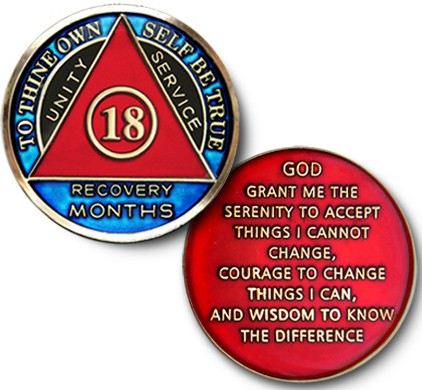
Many aa sobriety medallions feature the serenity prayer or the classic triangle-circle AA symbol, blending faith and fellowship in a single touchstone. When you cradle a sobriety coin embossed with that prayer, you tie your daily intentions to a tradition older than modern recovery programs. The engraved words “Grant me serenity, courage, and wisdom” wrap you in a moment of calm, reminding you that your recovery journey rests on more than willpower alone. That link between symbol and spirit turns a simple token into a compass for ethical choices and compassionate living.

Personal Rituals Involving Recovery Coins

You might begin each morning with a short ritual: place your sobriety chip in your palm, say the serenity prayer aloud, then breathe deeply for three counts. That practice grounds you in the principle of living day at a time, setting a clear intention before the world pulls you in every direction. At AA meetings, you can pass out chips with a prayer, reinforcing community bonds. Some aa members carry extra aa chips to gift newcomers an act known as giving sobriety chips—and that simple exchange lifts both giver and receiver. Whether you clip your coin to a keyring, slip it into a pocket, or rest it on your nightstand, these personal rituals transform metal into motivation and faith into daily action.

The Serenity Prayer and Coin Inscriptions

Seeing the words “Grant me . . .” surround your chip’s edge reminds you of courage, acceptance, and wisdom whenever life gets rocky. You carry an alcoholics anonymous coin that literally speaks to you in moments of doubt. Many aa sobriety medallions feature the prayer in a crisp, easy-to-read font, so each glance at your serenity coin renews your focus.

Some designs tuck the full prayer on the back, inviting you to flip the coin and read its message whenever you need strength. Others highlight the opening line, turning that phrase into a mantra you can whisper under your breath. Whether you slip the coin into a pocket, clip it to a keyring, or rest it beside your bed, the inscription becomes a built-in coach, nudging you toward calm reflection. These tangible reminders help you center your thoughts, foster gratitude, and tap the communal support woven into AA culture, one silent prayer at a time.

Medallions from My12StepStore.com

At My12StepStore.com, you’ll find a full selection of aa sobriety medallions, na medallions, and aa chips that span the gamut from first-day tokens to decade-long commemoratives. Browse our aa medallion holder options to display your collection proudly. We offer fast discreet shipping, and you can purchase single chips or bulk sets for AA groups and family support. Our sobriety anniversary gifts section pairs medallions with recovery books and accessories, making it easy to celebrate milestones in style.

Final Thoughts

Sobriety medallions do more than mark abstinence—they validate your dedication, anchor your spirit, and sustain you through every test. From that first sobriety copper chip you accepted at an AA meeting, to the colorful array of sobriety purple chip, sobriety pink chip, and sobriety dark blue chip that follows, each piece testifies to your resilience. Whether you’re entering a new phase of your sobriety journey or gifting tokens of hope to others, let these medallions shine as beacons of community, accountability, and enduring faith in the promise of a fresh tomorrow.

Posted in Uncategorized | Leave a comment

The Role of Serenity Coins in Maintaining Long-Term Sobriety

unnamed (4)

What Are Serenity Coins?

Serenity coins, also called sobriety chips, serve as tangible markers of recovery progress. You earn a coin each time you reach a milestone, from 24 hours to decades of sobriety, and you carry it in your pocket or on a keychain to remind yourself of every step forward. In alcoholics anonymous culture, these tokens symbolize perseverance, commitment, and the simple principle of living day at a time. Alongside aa chips, na coins play a similar role in Narcotics Anonymous, helping members track drug-free days. Whether you browse alcoholics anonymous shopping for a classic medallion or collect a variety of unique tokens, each sobriety coin holds personal significance.

Symbolism and Meaning Behind Serenity Coins

Colors, Numbers, and Their Significance

Every serenity coin color tells a story. Red marks your first month, blue celebrates six months, and gold shines for a full year of sobriety. The embossed number on each coin tracks your exact days, 30, 60, 90, or 365, so you witness progress at a glance. Early in recovery, a vibrant hue offers a burst of encouragement. As you collect coins, the polished finish of long-term medallion designs honors years of growth and perseverance. Many aa members arrange their aa chips in a display at home or carry them in a special pouch, turning each coin into a visible badge of honor that fuels their motivation.

The Serenity Prayer and Its Connection to the Coins

The serenity prayer anchors the spiritual side of recovery, and you’ll often recall its words while holding your coin close. “Grant me the courage to change what I can, the serenity to accept what I cannot, and the wisdom to know the difference” wraps subtly around some medallion edges. Every time you glance at those engraved words, you receive a moment of calm. That quiet nudge helps you center yourself during cravings or stress. Whether you pair your coin with a sacred heart medallion or explore serenity books for daily reflections, the prayer’s presence transforms a simple token into a source of inner strength.

How Serenity Coins Support Long-Term Sobriety

Celebrating Milestones in Recovery

Gaining a new coin turns abstract months of abstinence into a clear victory. That fresh piece of metal marks progress and signals to yourself and your peers that you have remained sober through challenges.

Encouraging Commitment and Motivation

Placing each coin in a display or carrying it nearby reminds you daily of your decision to quit drinking. That small act fuels motivation when cravings surface.

Reinforcing Accountability and Community Connection

Passing out sobriety chips at aa meetings fosters solidarity. You witness newcomers earn their first sobriety chip, and you share in their excitement. That ritual ties you to a larger network of fellow travelers on the path to recovery.

The Psychological and Emotional Impact

Creating a Sense of Accomplishment

Holding a coin engraved with your milestone instantly validates all the effort you’ve invested. You feel achievement wash over you, reinforcing positive habits.

Tangible Reminders During Cravings or Tough Times

When stress or temptation strikes, you can clutch your coin in your palm. That physical reminder helps you pause, breathe, and choose recovery over relapse.

Boosting Confidence and Self-Worth

Each new coin cements your identity as someone who can overcome challenges. That growing stack of tokens becomes proof of your resilience, lifting self-esteem on difficult days.

Serenity Coins in Different Recovery Programs

Alcoholics Anonymous (AA)

AA hands out serenity coin medallions at meetings to mark days, months, and years. You see logos coins featuring the triangle and circle symbol, reminding you of AA’s traditions and the early influence of the Oxford Group.

unnamed (3)

Narcotics Anonymous (NA)

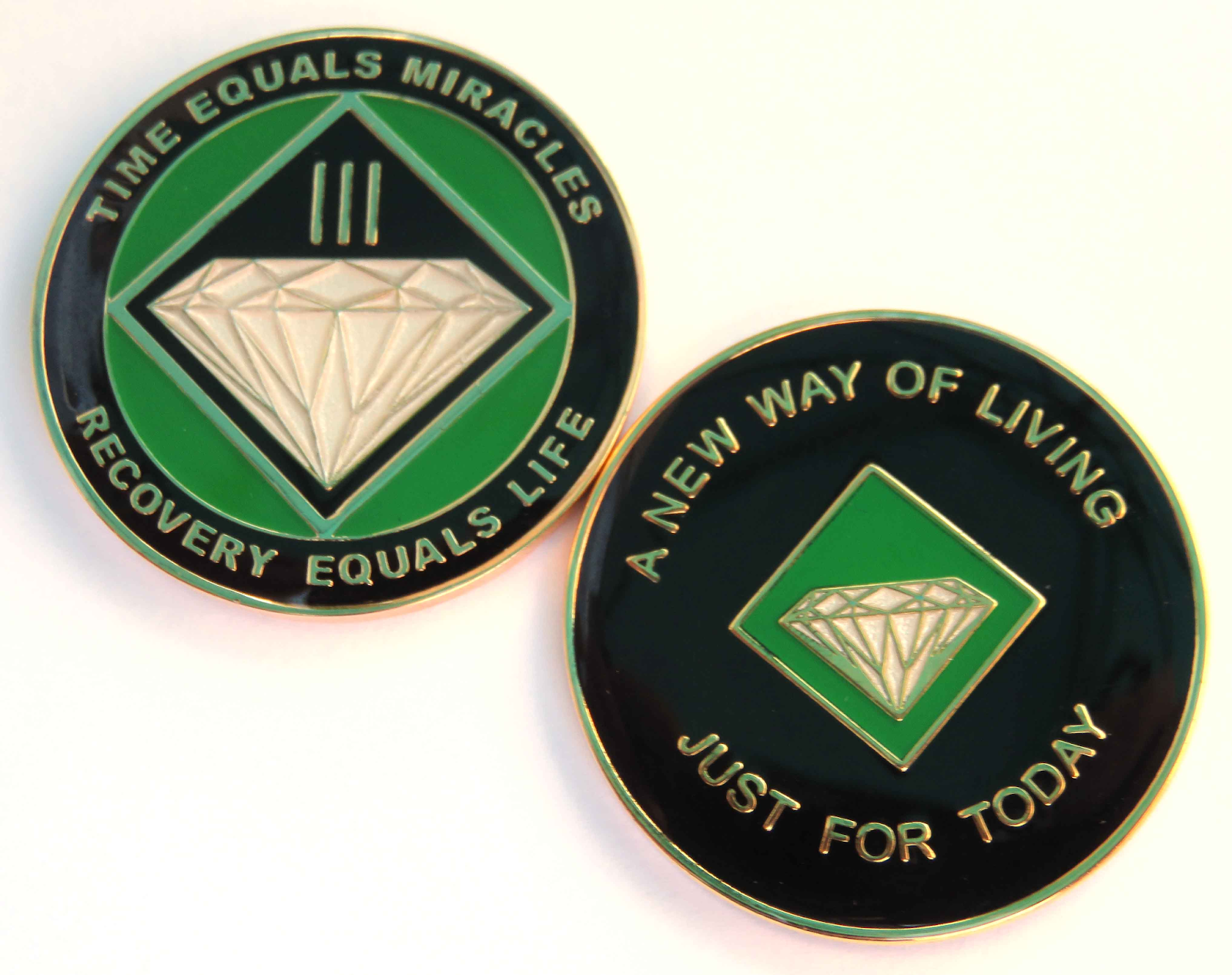
NA offers na coins with similar color codes. Their tokens often include phrases like “Just for Today,” reinforcing daily commitment across diverse recovery paths.

Non-12-Step and Faith-Based Programs

Some groups use simpler tokens or serenity books alongside coins to guide reflection. You might pair a coin with a daily devotional or a sacred heart medallion to align your spiritual and recovery goals.

How to Incorporate Serenity Coins in Daily Sobriety

Using Coins as Part of Meditation or Reflection

Set aside time each day to hold your coin, repeat the serenity prayer, and acknowledge the distance you’ve come. This practice centers your mind and nurtures calm.

Setting Daily Intentions Inspired by the Coin’s Message

Use your coin as a prompt: “Today, I live day at a time.” Write that intention in a journal or post it on your mirror, letting the token guide your actions.

Where to Get Serenity Coins

You can purchase official AA medallions and alcoholics anonymous coins through trusted online shops. Look for replications of classic designs or explore custom options that feature personalized engraving. Shipping often comes with discreet packaging, so your order arrives ready for presentation at your next meeting.

Conclusion

Serenity coins stand at the intersection of tradition and personal transformation. As support, they honor every sober hour, from that first sobriety chip you receive at an AA meeting to a decade-long commemorative medallion. As symbols, they enshrine milestones in recovery, reminding you to live day at a time.

When you browse through alcoholics anonymous coins or choose a set of na coins, you tap into a rich AA culture where every coin carries meaning. Many AA members display their aa chips in a shadow box or clip a sobriety coin to their keyring, keeping it close in their pocket as a daily reminder of how far they’ve come. You might pair one with a sacred heart medallion or explore unique tokens that blend personalization and tradition.

Whether you’re giving sobriety chips as a meaningful gift, or purchasing your own collection through My12StepStore’s secure purchase process, you’ll find frequently bought designs and custom logos coins ready for shipping. Each piece costs just a bit of money, yet its impact on your well being is priceless.

From alcoholics anonymous to AA groups and oxford group roots, serenity coins remind us that recovery thrives on connection, accountability, and hope. Remember, each coin represents more than metal; it embodies community, personal growth, and the power of choosing life one day at a time.

Posted in Uncategorized | Leave a comment

Choosing the Right Alcoholic Bracelet: A Guide for Support and Remembrance

unnamed (1)

Understanding the Purpose

An alcoholic bracelet serves as a physical reminder of strength and progress on the path to recovery, so you start each morning anchored in your commitment. For someone facing alcohol use disorder, wearing this tangible symbol reinforces resilience with every glance at your wrist. You might choose a band to mark a sobriety milestone, honor a loved one lost to addiction, or raise awareness at community events and meetings. Beyond jewelry, clinical continuous alcohol monitoring tools such as scram systems or a scram device, track every moment, yet a simple wristband offers a discreet, comforting nudge toward well being. Whether you shop our alcoholics anonymous supplies or browse aa jewelry, selecting the right bracelet weaves a thread of support through your daily routine and reminds you that you’re never alone.

Support for Someone in Recovery

Gifting an alcoholic bracelet tells them you stand by their side, offering constant support when cravings and doubts arise. Each time they glance at the band, it serves as a daily reminder that compassion and encouragement encircle them. You can choose a soft silicone model for comfort during workouts or a sleek metal band for professional settings. Either way, the bracelet becomes a discreet symbol of solidarity. Paired with an alcoholics anonymous pendant or a matching alcoholics anonymous ring, it transforms into a complete meaningful gift that speaks volumes. In meetings or quiet moments alone, this physical token conveys your belief in their strength and fuels ongoing recovery with every gentle touch against the skin.

Commemorating Sobriety Milestones

Each year of sobriety deserves celebration. An engraved band can mark 30 days, 1 year, or a decade, offering a daily reminder of that achievement.

In Memory of a Loved One

A custom memorial bracelet honors someone who fought addiction, turning loss into lasting inspiration. You can engrave a name, sobriety date, or personal message on stainless steel or leather, so their story stays close each day. Pair it with an alcoholics anonymous pendant or matching aa jewelry to create a complete remembrance set. Gifting this piece offers support and becomes a truly meaningful giftone that sparks connection at meetings or in quiet moments alone. Every look at this alcoholic bracelet serves as a tribute, a physical reminder of their courage, and a call to uphold their legacy in your own path to recovery.

Raising Awareness

Wearing a colored wristband sparks conversations about recovery and alternatives to stigma. It shows you support those in treatment and beyond.

Types of Alcoholic Bracelets

Recovery Bracelets

These wristbands use durable silicone or metal and often feature recovery mottos. You might pair a scram bracelet with a silicone band for layered encouragement.

Custom Memorial Bracelets

Engrave names, dates, or quotes on leather or stainless steel. These pieces pay tribute while offering a daily reminder of loved ones.

Support Awareness Bands

Cloth or silicone bands in symbolic colors help you show solidarity at events or meetings. You might spot peers wearing anonymous pendant necklaces alongside matching bracelets.

Medical ID Bracelets

If safety concerns arise, a medical ID band can note conditions or emergency contacts, adding peace of mind during recovery or treatment.

Choosing the Right Material

unnamed (2)

Silicone

Flexible and waterproof, silicone bands suit active lifestyles. They come in bright colors, so you feel inspired during sports or daily routines.

Leather

A leather band ages beautifully, matching casual or formal wear. Its texture brings a bold, grounded feel that links you to each milestone.

Beaded or Gemstone

Natural stones like lava or agate add a soothing energy. You can select gemstones tied to recovery, such as amethyst, for stress relief.

Metal (Stainless Steel, Sterling Silver)

Metal bracelets last for years and resist wear. Sterling silver gives a classic shine, while stainless steel handles daily exposure without tarnish.

Fabric or Corded Styles

Woven or paracord bracelets bring a handmade touch. Some models include a small pocket to carry a sobriety token or coin.

Personalization Options

Engraving

Add a date, name, or mantra to make the piece uniquely yours. On metal or leather, engraving holds up, serving as a lifelong marker.

Symbols and Colors

Choose ribbons or icons that mean something to you. Green for growth, blue for calm, or the AA triangle for fellowship.

Sobriety Coins or Tokens

Clip a token onto any band for flexibility. As your journey evolves, you can swap coins to match new milestones without buying a new bracelet.

Considerations When Gifting a Bracelet

Respecting the Recipient’s Journey

Gauge their stage of treatment and comfort. A simple silicone band works for early recovery, while a metal bracelet suits long-term sobriety.

Presentation

Package the bracelet with a note explaining its symbolism. A thoughtful card underscores your support.

Cultural and Personal Sensitivity

Be mindful of color or symbol meanings across cultures. Ensure your gift aligns with their beliefs and style.

Wearing the Bracelet with Purpose

Daily Reminder

Slip it on each morning to reinforce commitment. You’ll feel that physical reminder every time it brushes your skin.

Conversation Starter

When someone notices your band, you open a door to discuss recovery, share resources, or guide them toward alcoholics anonymous rings or a matching alcoholics anonymous pendant.

Emotional and Spiritual Anchor

This bracelet can serve as a small talisman in meetings or moments of stress, drawing you back to your intentions and the community that uplifts you.

Conclusion

Selecting the Right Alcoholic Bracelet means balancing style, symbolism, and comfort to create a daily reminder of your commitment to recovery. Whether you pick a bright silicone band or an elegant engraved metal piece, each Right Alcoholic Bracelet acts as a physical reminder of your strength and the progress you’ve made. If you seek more monitoring, options like a scram bracelet or ankle bracelet with continuous alcohol monitoring features can link you to clinical support, while a simple wristband keeps your journey top of mind.

For a meaningful gift to celebrate another’s milestone or to honor a loved one lost, browse alcoholics anonymous supplies at My12StepStore for aa jewelry and alcoholic bracelet styles that echo personal stories. You might pair your band with an ankle monitor alternative or add a scram device to your toolkit for extra accountability. By choosing the Right Alcoholic Bracelet, you wear more than jewelry, you wear empowerment, connection, and the promise of tomorrow.

Posted in Uncategorized | Leave a comment

Understanding Intermittent Sobriety: Benefits and Challenges

blog1

What is Intermittent Sobriety?

At its core, intermittent sobriety is a scheduled rhythm of living totally alcohol-free for set periods—Dry January, weeklong detoxes, even sober weekdays—followed by mindful, limited alcohol consumption on designated “on” days. This differs from the all-or-nothing path of complete sobriety and from casual moderation; each pause is formal, intentional, and usually logged in apps, journals, or commemorated with sobriety coins.
Continue reading

Posted in Uncategorized | Leave a comment

The Importance of Celebrating Milestones in Recovery

unnamed (1)

Why Celebrating Milestones Matters

A heartfelt celebration transforms a date on the calendar into living proof that change is possible. Acknowledging progress—whether one week clean or five years free—anchors the mind in gratitude, reminds the heart of how far you have come, and energizes the next leg of the journey. At My 12 Step Store, we see daily how a simple chip, pendant, or bracelet becomes a lighthouse for someone navigating stormy waters of recovery.

Beyond the feel-good moment, milestone rituals activate the brain’s reward circuitry, locking in positive habits learned in treatment centers or a structured milestones program. When applause echoes after someone earns a 30-day chip, it reinforces a supportive environment where newcomers and milestones alumni alike feel safe to share setbacks and successes. That camaraderie fuels ongoing support, which research calls one of the strongest predictors of sustained freedom from substance abuse or food addiction.

Tokens also serve as portable mindfulness tools. Twirling a bronze coin during a stressful commute or touching engraved recovery jewelry before bed can interrupt anxious thoughts, grounding you in the present. Many shoppers pair chips with spiritual recovery books or give unique recovery gifts—a leather key fob, a crystal pendant—as tactile reminders to breathe, journal, or practice a favorite meditative scan.

If you spent time in residential treatment, survived group sessions led by many nutritionists, or embraced a holistic approach that blends yoga with CBT, marking anniversaries turns that hard-won practical experience into visible proof. It’s why alumni often say they’re forever grateful, sometimes even eternally grateful, for every bead or bracelet that chronicles their climb. Browse our recovery shop for milestone tokens that resonate with your style, and let each celebration echo the promise that the best days of your journey are still ahead.

Importance of Celebrating Milestones in Recovery

Reinforces Positive Habits

Publicly recognizing milestones re-wires the brain’s reward system. A medallion ceremony, a group clap, or a quick journal entry after a tough meeting tells your neural pathways, “Do this again!” Those dopamine sparks solidify new routines—meal planning for people in eating disorder treatment, sunrise meditation for anyone tackling substance abuse, or nightly gratitude lists that anchor ongoing recovery.

unnamed

Tokens and bracelets from our recovery shop add a tactile cue: each time you feel the metal, your mind links progress with pleasure, making it easier to repeat healthy behaviors. That simple loop, supported by caring peers and a supportive environment, turns daily choices into lasting habits on the road to wellness.

Encourages Continued Growth

Each achievement, large or small, acts like a checkpoint in a marathon. You pause, catch your breath, and review lessons learned in treatment centers or at home. This reflection leads to actionable goals, such as joining a fitness class, enrolling in peer-led counseling, or exploring spiritual recovery books. By seeing concrete evidence of past success, the next mountain feels scalable.

Boosts Self-Esteem and Confidence

Milestone celebrations turn self-doubt into self-trust. Hearing friends cheer or mentors recount your progress fuels an inner voice that says, “I’m stronger than I thought.” Confidence, in turn, equips you to ask for help sooner, volunteer more often, and mentor newcomers—behaviors that strengthen your entire supportive environment.

The Power of Support Systems

No one heals in isolation. Sponsors, therapists, treatment centers, and recovery jewelry that jingles on your wrist all whisper reminders that you are cared for. These touchpoints create ongoing support long after formal programs end, converting vulnerable moments into opportunities for connection.

Celebrating Recovery Milestones: Benefits for Individuals

unnamed (2)

Reflection and Appreciation of Progress

Stopping to honor each chip allows space to acknowledge hard truths and celebrate resilience. Maybe you conquered food addiction triggers by prepping balanced meals with guidance from many nutritionists. Perhaps you thrived in a residential treatment program that taught you mindful breathing. Reflection captures those wins so they are never dismissed as luck.

Setting New Goals for the Future

Milestones clarify the horizon. After six months clean, you might pursue a yoga-teacher certificate, apply to college, or volunteer at a local shelter. These fresh objectives form a living roadmap toward holistic approach self-development—one that builds on skills gained in trusted treatment centers and the practical wisdom of day-to-day recovery. Each new challenge also widens your supportive environment, ensuring ongoing support as you level up from personal healing to purpose-driven service. For inspiration, browse our recovery shop for journals or chips that mark every new checkpoint on your journey.

Becoming an Inspiration for Others

When a newcomer sees you accept a one-year coin, hope sparks. Your triumph proves that recovery is real and attainable. That single clap of metal can electrify the entire supportive environment, reminding everyone that freedom from substance abuse is possible. Your win travels beyond the meeting—energizing local support groups, motivating counselors in treatment centers, and echoing through milestones alumni gatherings for years to come.

The Role of Milestone Celebrations in Recovery

Marking Progress and Maintaining Motivation

Visual tokens—chips, rings, or unique recovery gifts—act as constant motivation. On days when cravings roar, the weight of a bronze emblem reminds you of evenings survived without relapse. Tangible evidence outweighs doubt.

Support from Loved Ones and Community

Inviting friends, family, or peers from your milestones program to mark each anniversary provides shared memory banks. Loved ones who witness your evolution become guardians of your commitment, gently nudging you forward when fatigue sets in. Across continents, from Miami to the Netherlands, families livestream chip ceremonies so distance can’t dilute pride.

Building Resilience and Coping Strategies

Celebrations spotlight coping tools that worked: morning runs, therapy sessions, art classes. By naming these strategies publicly, you reinforce them for future stressors, building a toolkit that grows sturdier year after year.

Recognizing and Celebrating Small Victories

Not every triumph makes a calendar alert. Finishing a hard meeting, bypassing a trigger aisle at the store, or cooking a nutritious meal instead of restricting—these deserve applause. Micro-celebrations keep momentum alive between formal milestone dates and help prevent relapse in gaps of silence.

Celebrate Your Journey with Pathways

Pathways might include gratitude letters to mentors, commemorative journals, vision boards, or booking a weekend retreat. Some invest in recovery shop items like crystal coins, while others frame their first chip beside an inspirational quote. Choose pathways that resonate with your personality and budget; authenticity matters more than price tag.

Change Your Life Today!

If you’re early in your process, join a local meeting, consult reputable treatment centers, or explore integrative therapies that take a holistic approach to mind-body healing. Surround yourself with people who celebrate progress, not perfection. You’ll soon find yourself echoing two timeless phrases: forever grateful and eternally grateful—because gratitude naturally flows from lived transformation backed by practical experience.

Conclusion

When we honor milestones, we declare that perseverance is worth spotlighting. Celebration galvanizes resolve, binds communities, and keeps hope alive. Whether you’re clapping for a 24-hour chip, engraving a bracelet for a five-year mark, or gifting recovery jewelry for a friend’s ten-year anniversary, each act reverberates beyond the moment. These gestures remind newcomers from treatment centers to residential treatment programs that the climb is doable and that ongoing support thrives in a truly supportive environment.

They also unite diverse paths—those overcoming substance abuse, healing from food addiction, or finishing intense eating disorder treatment—under one shared commitment to lifelong recovery. Seasoned members and milestones alumni often say they’re forever grateful, sometimes even eternally grateful, for the tangible proof that a holistic approach plus hard-earned practical experience keeps paying dividends.

So celebrate every step: a first “Just for Today” chip, a decade coin, or a custom pendant honoring guidance from many nutritionists in a balanced meal plan. Visit My 12 Step Store for keepsakes that immortalize each victory, and remember—the journey of recovery isn’t measured only by distance traveled but by every cheer, token, and hug collected along the way.

Posted in Uncategorized | Leave a comment